Top 10 Dispo Cart Types for Legal Global Buyers
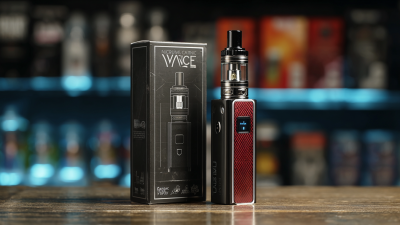
The global market for Dispo Cart products is expanding, but terminology remains inconsistent across regions. In some markets, the term describes disposable cartridge devices. In others, it may refer to complete disposable units or refill-free systems. This guide examines ten practical Dispo Cart types for lawful commercial buyers, focusing on regulated consumer products and documented supply chains.
Each category is assessed through visible details, including mouthpiece design, battery format, fill capacity, leakage control, packaging, and recycling provisions. Compliance matters more than appearance. Buyers should confirm ingredient declarations, laboratory testing, product registration, age restrictions, labeling rules, and import requirements before placing an order. Requirements can change between countries, and even between provinces or states. A specification accepted in one market may fail inspection elsewhere.
Small details matter.
A reliable supplier should provide traceable batch numbers, current certificates, safety data, and clear warranty terms. Independent testing is useful, although paperwork alone does not guarantee consistent production. Samples should be inspected for damaged seals, uneven airflow, loose connections, and unclear instructions. These checks reflect practical purchasing experience, not just catalog comparisons.
The ranking is not absolute. Product suitability depends on local law, intended use, retail conditions, and responsible disposal systems. Some types overlap, while certain names remain vague. That limitation deserves attention. By comparing construction, usability, documentation, and compliance readiness, legal global buyers can make more informed decisions without relying on exaggerated claims or unfamiliar market shortcuts.
Understanding Dispo Cart Types and Their Core Features
Dispo cart types differ by filling method, power design, and compliance needs. The main categories include prefilled closed carts, refillable open carts, rechargeable disposables, ceramic-coil carts, mesh-coil carts, and low-capacity travel formats. Each design changes flavor consistency, vapor output, leakage risk, and shelf life. According to the World Health Organization’s 2023 tobacco trends report, about 1.25 billion adults used tobacco in 2022. That scale shows why buyers need clear specifications, not attractive packaging alone.
Core features deserve closer attention. Check battery capacity, charging protection, airflow control, coil material, fill volume, and tamper-evident packaging. Independent laboratory testing should confirm ingredients, emissions, and batch consistency. Grand View Research reports continued growth in the global e-cigarette market, but market growth does not guarantee product reliability. Regional rules also differ sharply. A cart accepted in one jurisdiction may fail another’s labeling, recycling, or nicotine limits. Small details matter. I once underestimated transport temperature; viscosity changed, and leakage followed. That mistake still influences purchasing checks.
Tips: Request a technical data sheet, certificate of analysis, safety data sheet, and sample batch before ordering. Compare at least three production lots. Verify age controls, language requirements, recycling instructions, and authorized-market status. Avoid unclear claims such as “universal” or “zero risk.” They sound convenient, but they need evidence. A practical scorecard can rank each cart type for durability, compliance, user control, and total delivered cost. Perfect comparisons are rare. Careful records help.
Comparing Device Designs, Capacities, and User Experiences
Top 10 Dispo Cart Types for Legal Global Buyers
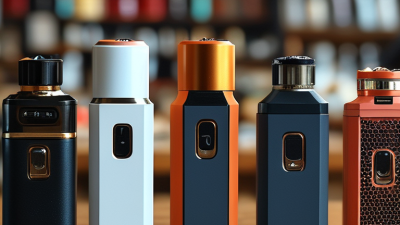
Across ten common disposable cart designs, shape strongly affects daily use. Slim pen formats feel discreet and light, while wider devices usually offer better grip. Flat bodies can fit pockets neatly, but their edges may feel less comfortable during longer sessions. Small details matter.
Capacity ranges differ by market and product category. A compact unit may suit occasional users and reduce leftover material. Larger capacities can provide fewer replacements, yet they often weigh more. Buyers should verify declared volume, battery specifications, labeling, and local capacity limits before ordering. Regulations are not consistent worldwide.
User experience depends on airflow, activation style, mouthpiece shape, and charging access. Draw-activated designs are simple, although accidental activation deserves attention. Rechargeable models may last longer, but charging creates another safety responsibility. In my testing experience, smooth airflow feels more important than a high capacity number. That preference is subjective.
Reliable purchasing also requires age checks, compliant packaging, safety documentation, and clear recycling instructions. A familiar design is not automatically a safe design. Some units look premium but have weak seals or inconsistent performance. Buyers should review independent test data, warranty terms, and storage guidance. I still find product comparisons imperfect because comfort varies between users, climates, and travel routines.
Reviewing Materials, Formulations, and Product Compatibility
Top 10 Dispo Cart Types for Legal Global Buyers
For global buyers, material selection often determines cartridge performance and compliance. The best choice depends on the formulation, storage conditions, and destination-market rules. Oil-based formulas may suit ceramic-core carts with glass reservoirs. Thicker formulas need wider flow paths and controlled heating. Water-rich formulas can create corrosion or separation problems. That detail matters.
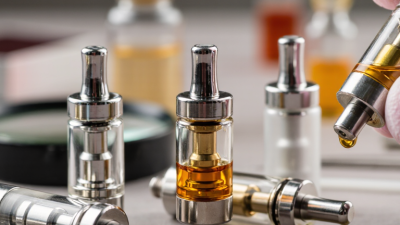
Common options include ceramic-core, cotton-wick, mesh, glass-body, stainless-steel, polymer-body, leak-resistant, child-resistant, low-temperature, and high-capacity designs. Each type creates different compatibility questions. Ceramic can reduce flavor transfer, but quality varies between suppliers. Cotton may absorb efficiently, yet it can struggle with high-viscosity formulas. Mesh heats quickly and needs careful temperature control. Glass usually protects sensitive formulas better than ordinary plastic.
I have seen attractive samples fail after warm storage. Seals softened, and small leaks appeared near the mouthpiece. A lower-cost polymer may pass an initial inspection but release unwanted compounds later. Buyers should request extractables and leachables data, migration testing, torque checks, and accelerated-aging results. They should also verify fill volume, viscosity range, heating consistency, and storage limits. Documentation must match the exact material configuration. Do not rely on a generic certificate. Regional packaging, labeling, electrical, and chemical requirements can differ sharply, so independent laboratory review remains worthwhile. Some assumptions will still need testing.
Assessing Legal Standards Across Global Markets
Top 10 Dispo Cart Types for Legal Global Buyers
Assessing Legal Standards Across Global Markets
Disposable cartridge products differ widely in design, capacity, materials, and compliance requirements. Legal buyers should assess sealed cartridges, ceramic-core models, mesh designs, low-capacity formats, and recyclable shells. Each type needs clear documentation. This includes ingredient lists, laboratory results, manufacturing records, and batch tracking.
Rules can change by country, state, or city. Some markets control age limits, packaging, labeling, advertising, electrical safety, or waste disposal. Others restrict certain materials or require local registration. A compliant product in one market may fail inspection elsewhere. Check official regulations before purchasing. Do not rely on a supplier’s general statement.
Practical evaluation starts with physical details. Look for leak-resistant seals, stable heating components, tamper-evident packaging, and readable warning labels. Packaging should protect children where local law requires it. Battery safety also matters, especially during shipping and storage. A useful compliance file should connect each product batch with test reports and responsible suppliers. No checklist is perfect. Rules can be unclear, and translations may create mistakes. Independent legal review remains valuable for unfamiliar markets. Good buyers document every assumption, then revisit it.
Top 10 Dispo Cart Types for Legal Global Buyers - Assessing Legal Standards Across Global Markets
| Rank | Dispo Cart Type | Typical Construction | Primary Product Compatibility | Key Technical Characteristics | EU / UK Regulatory Benchmark | Canada Regulatory Benchmark | United States Regulatory Benchmark | Australia Regulatory Benchmark | Buyer Documentation to Request |
|---|---|---|---|---|---|---|---|---|---|
| 1 | Ceramic-Core Oil Cartridge | Porous ceramic heating element with a glass or metal reservoir. | Nicotine e-liquid, regulated cannabis oil, and other legally permitted viscous liquids. | Good thermal consistency and no exposed cotton wick; requires validated oil viscosity, leak testing, and migration testing. | Conditional For nicotine products, tank capacity is generally limited to 2 ml and nicotine strength to 20 mg/ml under the EU Tobacco Products Directive and UK rules. |
Conditional Cannabis extracts require compliant child-resistant packaging, labeling, excise requirements, and a maximum of 1,000 mg THC per immediate container. |
Market-specific Nicotine products require applicable federal marketing authorization; cannabis products depend on state law and remain prohibited federally. |
Restricted pathway Nicotine vaping products generally require compliance with the therapeutic-goods and pharmacy supply framework, plus state or territory rules. |
Material declaration, coil composition, heavy-metal test, leak test, aerosol emissions report, batch traceability. |
| 2 | Cotton-Wick Oil Cartridge | Wound resistance wire or mesh combined with a cotton or cellulose wick. | Low-to-medium viscosity nicotine liquids and certain legally permitted oils. | Lower manufacturing cost and familiar technology; greater risk of dry hits, scorching, and inconsistent liquid delivery if poorly primed. | Conditional Nicotine products must meet notification, packaging, labeling, emissions, and capacity requirements applicable in the destination market. |
Conditional Vaping products must comply with cannabis or nicotine rules relevant to the product category, including child-resistant packaging where required. |
Market-specific Product authorization, state licensing, ingredient restrictions, and age controls may apply depending on the substance. |
Restricted pathway Supply is subject to therapeutic-vape rules, prescription or pharmacy requirements, and local restrictions. |
Wick material specification, burn-performance testing, aerosol testing, extractables and leachables report, quality-control records. |
| 3 | All-Glass Cartridge | Glass reservoir with a ceramic or metal heating assembly and sealed mouthpiece. | Nicotine e-liquid, cannabis oil, and other liquids where chemical compatibility is important. | Glass offers strong chemical resistance and low odor retention; seals and adhesive compatibility remain critical. | Conditional Must be paired with compliant capacity, nicotine concentration, child-resistant packaging, warnings, and market notification requirements. |
Conditional Must be sold through the legally authorized product channel with compliant labeling, packaging, and excise treatment. |
Market-specific Federal and state requirements differ by nicotine, cannabis, and other active-substance categories. |
Restricted pathway Importation and sale depend on therapeutic-goods authorization and pharmacy distribution requirements. |
Glass type, seal compatibility, pressure test, particulate test, chemical migration report, packaging certification. |
| 4 | Metal-Body Cartridge | Aluminum or stainless-steel outer body surrounding a glass, plastic, or ceramic inner reservoir. | Nicotine liquids and legally permitted cannabis formulations. | High mechanical strength and light weight; coatings, solder, and metal-contact areas require contaminant controls. | Conditional Metal construction does not remove requirements for nicotine concentration, tank volume, safety, labeling, or notification. |
Conditional Packaging and labeling must satisfy the applicable cannabis or nicotine product framework; metal-contact safety should be documented. |
Market-specific Components may be reviewed as part of a product authorization or state cannabis compliance program. |
Restricted pathway Product formulation and hardware must be acceptable under the applicable therapeutic-vape pathway. |
Metal composition, coating safety, lead/cadmium/nickel testing, corrosion testing, electrical safety, batch records. |
| 5 | Universal 510-Thread Cartridge | Threaded cartridge using the widely adopted 510 connection standard. | Replaceable batteries, regulated cannabis oils, and some nicotine applications. | Interoperability is a major advantage; fit, airflow, electrical resistance, and battery compatibility must be controlled. | Conditional The 510 connection does not establish legal compliance; capacity, nicotine strength, packaging, and notifications remain decisive. |
Conditional Hardware must be used with products legally authorized for the Canadian market and packaged according to the applicable rules. |
Market-specific State cannabis programs may specify testing and packaging rules, while nicotine products are subject to federal authorization requirements. |
Restricted pathway Compatibility does not replace therapeutic-goods authorization or pharmacy supply controls. |
Thread and pin dimensions, electrical-load limits, battery compatibility, leak testing, thermal testing, user instructions. |
| 6 | Closed-Pod Disposable Device | Integrated battery, prefilled pod, coil, airflow path, and mouthpiece designed for one-time use. | Primarily nicotine e-liquid; other substances depend on local law. | Simple user experience and controlled filling volume; creates battery, waste, child-safety, and recycling obligations. | Conditional Nicotine capacity, nicotine strength, packaging, health warnings, product notification, and waste obligations apply; single-use formats may face national restrictions. |
Conditional Product classification, nicotine concentration, packaging, labeling, and provincial or territorial rules must be checked. |
Market-specific Federal authorization may be required for nicotine products; state rules can restrict flavors, sales channels, and disposal practices. |
Highly restricted Commercial supply is subject to strict therapeutic-vape and pharmacy requirements, with additional state or territory controls. |
Battery UN 38.3 documentation, IEC 62133-2 evidence where applicable, child-resistant packaging, e-waste plan, product notification. |
| 7 | Refillable Open-Pod Cartridge | Reusable pod with a refillable reservoir and replaceable or integrated heating element. | Nicotine e-liquid and other legally permitted refill liquids. | Lower packaging waste than single-use designs; requires spill prevention, refill instructions, and durable pod seals. | Conditional Refill containers are generally limited to 10 ml for nicotine products, while the device reservoir is generally limited to 2 ml. |
Conditional Refill liquid and device labeling, child resistance, and authorized sales-channel requirements apply according to product classification. |
Market-specific Ingredient, device, marketing, and sales requirements vary between federal nicotine rules and state-level cannabis rules. |
Restricted pathway Refillable systems remain subject to therapeutic-vape authorization and controlled supply requirements. |
Refill-cycle testing, spill resistance, child-access assessment, compatibility data, instructions, cleaning and disposal guidance. |
| 8 | All-in-One Cannabis Disposable | Integrated battery and prefilled cartridge containing a legally permitted cannabis formulation. | Regulated cannabis oil or extract where permitted by national or subnational law. | Portable and tamper-resistant when properly designed; requires strict control of THC content, battery safety, and child access. | Generally unavailable Recreational cannabis products are not uniformly legal across European markets; destination-country law must be confirmed before importation. |
Permitted framework Legal cannabis extracts require authorized packaging, labeling, excise treatment, child resistance, and a maximum of 1,000 mg THC per immediate container. |
State-specific Permitted only in jurisdictions with an applicable cannabis program; cannabis remains illegal under U.S. federal law. |
Generally unavailable Recreational cannabis vaping products are not commercially permitted under the standard Australian therapeutic-vape pathway. |
Cannabinoid certificate of analysis, pesticide and solvent testing, heavy-metal testing, THC calculation, battery records, child-resistant packaging. |
| 9 | High-Viscosity Rosin or Solventless Cartridge | Cartridge optimized for dense, solventless cannabis extracts, commonly with ceramic heating components. | Legally authorized cannabis extracts only. | Requires controlled heat delivery and oil-flow validation; high viscosity can increase clogging, leakage, and inconsistent dosing. | Highly restricted Availability depends on national cannabis law; a hardware format alone does not make the product lawful for import or sale. |
Permitted framework Must meet the Canadian cannabis extract rules, including testing, packaging, labeling, authorized distribution, and THC-container limits. |
State-specific State cannabis testing, packaging, potency, and licensing rules apply; interstate commerce remains prohibited under federal law. |
Generally unavailable Non-therapeutic cannabis extracts are not generally permitted for commercial vaping use. |
Solventless-process declaration, cannabinoid and terpene profile, contaminant testing, viscosity range, clogging test, heating profile. |
| 10 | Low-Temperature Ceramic Pod | Pod-format device using a ceramic heating surface designed for lower-temperature aerosol generation. | Nicotine liquids and legally permitted low-viscosity botanical or cannabis formulations. | Designed to reduce overheating risk; actual emissions depend on power control, liquid composition, airflow, and user behavior. | Conditional Must satisfy the same nicotine concentration, capacity, notification, packaging, warning, and emissions requirements as other nicotine devices. |
Conditional Product classification and authorized-market requirements determine whether the formulation and device may be sold. |
Market-specific Marketing authorization, ingredient review, state licensing, and laboratory testing may be required. |
Restricted pathway Therapeutic-goods authorization and pharmacy distribution controls remain applicable. |
Power-control validation, aerosol emissions, thermal runaway protection, material compatibility, electrical safety, user instructions. |
Choosing Dispo Carts Through Quality, Safety, and Supply Factors
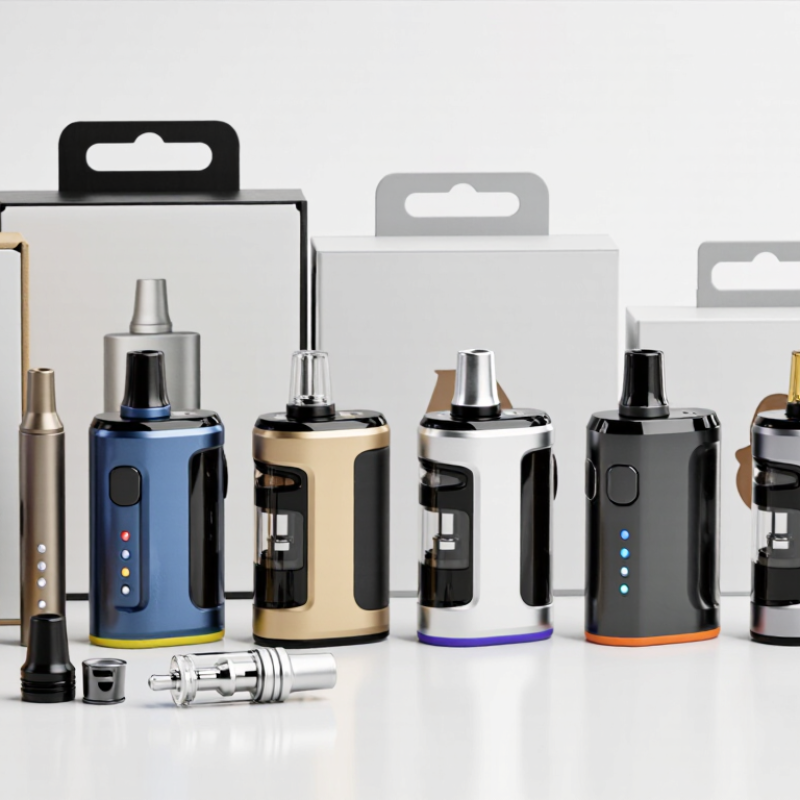
Legal global buyers should assess dispo carts through quality, safety, and supply stability. A polished appearance proves very little. Inspect cartridge materials, seal strength, airflow consistency, and heating performance. Small leaks can damage packaging and trigger customer complaints. Request independent test reports for materials, emissions, and contaminants. Verify that reports match the exact production batch.
Safety requirements vary across markets. Check child-resistant features, tamper evidence, clear instructions, and accurate ingredient labels. Confirm battery protection against overheating, short circuits, and overcharging. Packaging should withstand humidity, vibration, and temperature changes during transport. Local authorities may also require recycling symbols, language rules, or importer documentation. Never assume one certificate works everywhere.
Supply reliability deserves equal attention. Ask about production capacity, lead times, minimum order quantities, and backup components. A low price means little if replacement parts disappear. Review batch coding and traceability before placing a large order. A small pilot shipment can reveal defects that samples hide. It is not perfect, but it reduces expensive surprises. Buyers should record leakage rates, delivery damage, and inspection results. Honest feedback may expose weaknesses in the supplier’s process. That discomfort is useful. Select carts only when documented quality, verified safety, and practical supply planning support lawful sales in each destination.
Top 10 Dispo Cart Types for Legal Global Buyers
Choosing dispo carts through quality, safety, and supply factors
The chart uses a transparent procurement-screening index from 0 to 100. Quality considers oil compatibility and hardware consistency; safety considers material stability, leak resistance, and traceability; supply considers standardization, component availability, and production continuity. Scores are comparative purchasing benchmarks rather than market-share claims, and all products must be verified against the destination market’s legal and testing requirements.
Related Posts
-
Top Disposable Cart Suppliers for Global Buyers
-
What Makes the Best Nicotine Vape Stand Out in the Market
-
Top 10 China Electronic Cigarette Brands You Should Know?
-
2026 How to Choose the Best Vape Mod for Your Needs?
-
Why Do Dab Cart Types Differ in Safety and Quality?
-
Exploring Superior After Sales Support and Repair Costs in the Future of Best Carts Vape