How to Choose Rechargeable Vapes for Global Buyers?

Global demand is reshaping how buyers evaluate Rechargable Vapes. The decision is not just about device appearance or unit price. Importers need to assess battery quality, product consistency, supplier documentation, after-sales support, and local requirements before placing an order.

Grand View Research valued the global e-cigarette market at USD 22.45 billion in 2023 and projected a 30.6% compound annual growth rate from 2024 to 2030. This figure covers the broader e-cigarette market, not rechargeable devices alone. That distinction matters. Market growth cannot confirm that a particular product is safe, reliable, or suitable for every destination. For practical screening, buyers can request traceable component details, clear charging instructions, batch records, and evidence of relevant testing. A polished sample is not enough.

Public-health considerations also belong in a purchasing guide. WHO health-promotion director Dr. Ruediger Krech said, “E-cigarettes are harmful to health and must be better regulated.” His warning is a useful reminder: product selection should include responsible marketing and careful checks of local rules, not just commercial potential. Requirements vary between markets and can change. Buyers should verify them with qualified local sources. Even a detailed checklist has limits. It reduces avoidable surprises; it does not guarantee a trouble-free shipment. This guide examines the questions global buyers should ask before choosing a rechargeable device.
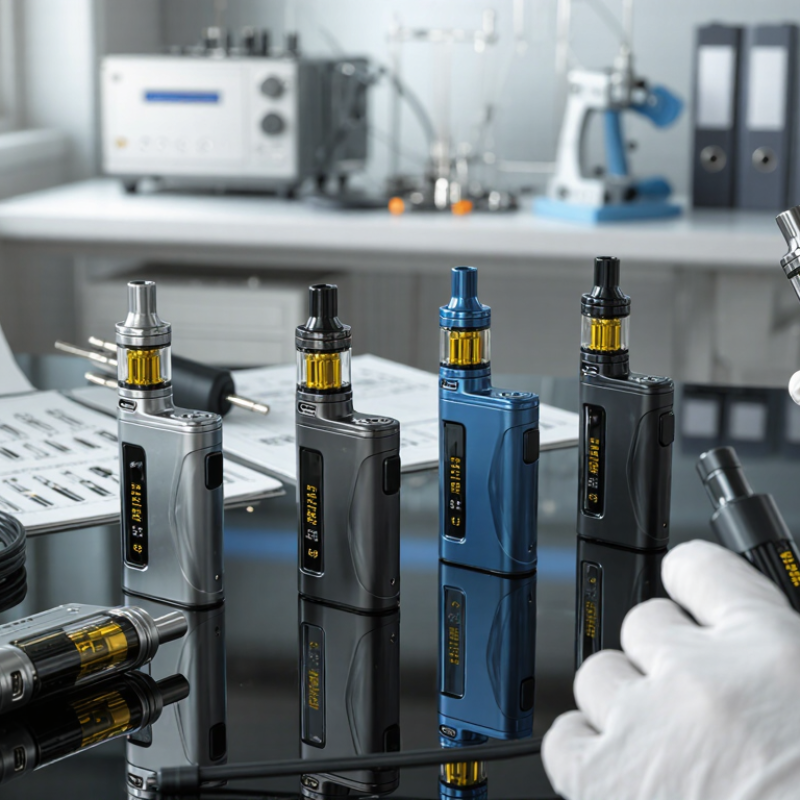
How to Choose Rechargeable Vapes for Global Buyers?

Identify Buyer Needs and Intended Use

A global buyer should define the intended use before comparing rechargeable vapes. Is the product for occasional adult use, regular daily use, or a retail assortment serving different preferences? Each answer changes the priorities. A commuter may value a compact device and a charging port that matches common cables. A retailer may care more about consistent supply, clear product labeling, and dependable after-sales support. Small details matter.

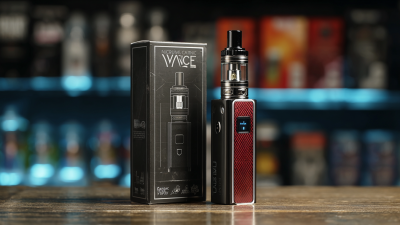
Ask suppliers for specifications that can be checked, such as battery capacity, charging time, and expected performance under normal use. Request samples and inspect the finish, instructions, packaging, and charging behavior yourself. A product sheet cannot show every flaw. I have seen buyers focus on unit price and overlook replacement parts or return handling; that can become an expensive lesson. It is worth checking.

Think about the destination market, too. Confirm that product documentation, safety information, and packaging meet the requirements that apply there, and verify claims with qualified local guidance. Consider storage and transport instructions for rechargeable batteries. If customers need different formats or languages, confirm those options before placing a large order. Start with the actual buyer.

Check Local Laws, Import Rules, and Market Restrictions

Before choosing rechargeable vapes for an overseas market, confirm that the product type and its specifications are permitted there. Rules can differ by country, state, or region, and may change. Check current guidance from customs authorities and relevant health regulators, rather than relying only on a supplier’s summary. Pay attention to import permits, taxes, packaging, and required labels. Small details matter.

Tips: Ask a licensed customs broker about the exact destination and shipment. Confirm battery transport requirements with the carrier. Keep written records of product specifications and official guidance. A rule that applies to one model may not cover another.

Build time into the buying process. Request clear documents from the manufacturer, then compare them with the destination market’s official requirements. Verify labeling language, electrical information, and any required warnings before placing a large order. Do not assume a product accepted in one market will be accepted elsewhere. The paperwork can feel repetitive, and requirements are not always easy to interpret. When guidance is unclear, pause and seek qualified local advice before shipping.

Compare Battery Capacity, Charging Methods, and Device Lifespan

How to Choose Rechargeable Vapes for Global Buyers?

Compare Battery Capacity, Charging Methods, and Device Lifespan

Battery capacity, measured in milliamp-hours (mAh), offers a useful starting point. A larger number may support longer use between charges, but actual runtime also depends on device settings and personal usage. A high mAh figure can look reassuring, yet it is not the whole story. Compare capacity alongside the device’s stated power range, and consider whether its size suits your daily routine. Check the manual.

Tips: Confirm the charging port and supported input before buying. USB-C may be convenient, but connector type alone does not confirm charging speed or compatibility. Use the supplied cable or one that meets the device specifications. Avoid charging near heat or moisture, and don’t leave a device charging unattended.

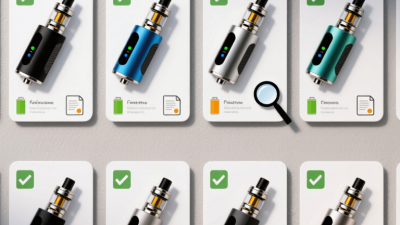
Lifespan depends on both battery wear and the condition of replaceable parts. Rechargeable batteries gradually hold less charge over time, and frequent deep discharges may add strain. Look for clear guidance on battery care, replacement parts, and warranty terms. Ask how service or disposal works in your region. Details can vary by market. Be wary of precise lifespan promises; real-world results differ with charging habits, storage conditions, and frequency of use. A simple comparison table can help, though I’d still verify the specifications with the seller.

Assess Build Quality, Compatibility, and Safety Features

How to Choose Rechargeable Vapes for Global Buyers?

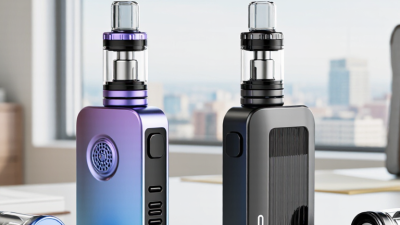
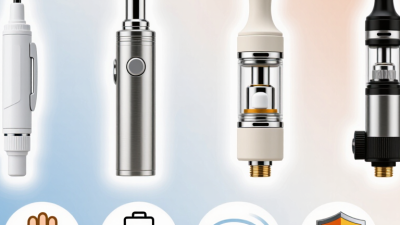
Assess the casing, charging connection, battery information, and replacement-part availability before purchase. A tight, even seam and a firm charging port are useful signs, but appearance cannot reveal every internal defect. Still, it is only a first check. Look for clear voltage and charging instructions, overcharge protection, and safeguards against short circuits. Match the charger to the device’s stated input; a familiar plug shape does not guarantee compatible power. For travel, confirm the charging method and spare-part access in the destination market.

Battery safety deserves closer attention. The U.S. Fire Administration’s 2017 technical report recorded 195 fire or explosion incidents involving electronic cigarettes from 2009 to 2016, with 133 acute injuries. These figures do not predict the risk of any particular device, but they show why battery design and handling matter. Check whether the documentation identifies tested cells and relevant safety standards, such as IEC 62133-2 for portable lithium batteries. Avoid units with loose ports, swollen batteries, or vague safety claims. A label alone is not proof. One limitation: buyers may not be able to verify internal components from product photos, so request traceable test documents and clear support information before ordering.

Evaluate Suppliers, Certifications, Warranty, and Total Cost

For global buyers, a low unit price can hide weak quality controls. Ask suppliers for factory audit records, batch-level traceability, and recent test reports. For rechargeable batteries, check IEC 62133-2 evidence where applicable, and UN 38.3 test documentation for transport. These documents serve different purposes; neither alone proves that a product meets every destination market’s requirements. Confirm local rules before placing an order. Get warranty terms in writing, including the coverage period, defect threshold, replacement process, and who pays return freight. Small details matter. A vague warranty can turn a minor failure rate into a costly dispute.

Compare total landed cost, not just the quoted price. Include sample testing, duties, shipping, spare units, after-sales labor, and end-of-life handling. The Global E-waste Monitor 2024 reports that the world generated 62 million tonnes of e-waste in 2022, while only 22.3% was documented as formally collected and recycled. That broader figure is not specific to vapes, but it highlights why take-back and recycling plans belong in procurement discussions. A neat cost spreadsheet still misses uncertainty; battery returns and changing import requirements can shift the real margin.

Tips: Request one pilot batch and inspect charging, packaging, and serial records before scaling. Compare warranty claims against actual sales volume, not estimates. Keep a buffer for delays; the cheapest supplier may not stay cheapest.

Find Mitten in Michigan

Request Mitten Near You

Have a favorite dispensary that doesn't carry Mitten Extracts yet? Let us know, and we'll work to make sure our premium products are available where you shop.