Why Choose Swim Suits for Your Brand?
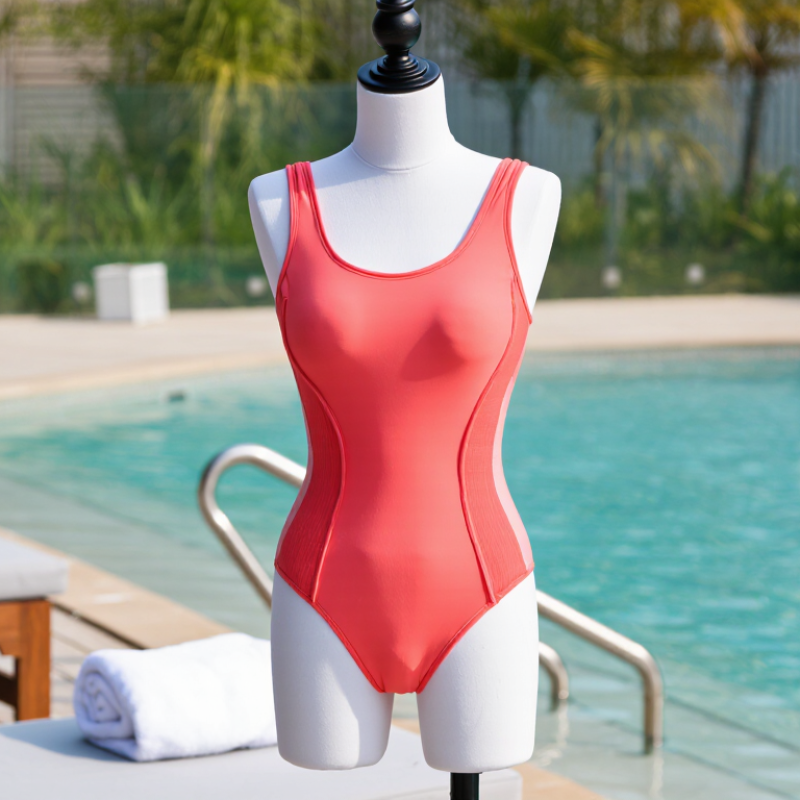
Why Choose Swim Suits for Your Brand? The answer begins with a practical market need: customers want clothing that performs in water and looks confident outside it. Swim Suits can give a brand strong visual identity through color, cut, texture, and thoughtful details. A vivid coral one-piece can stand out on a pool deck, while recycled fabric may support a clearer sustainability story. These products also create opportunities for seasonal collections, resort partnerships, and direct customer feedback.
Performance matters more than appearance alone. From my experience, small design decisions often shape customer trust. Lining should reduce transparency when wet. Seams should stay comfortable during movement. Straps must remain secure without digging into the skin. Fabric needs suitable stretch, color stability, and resistance to chlorine or saltwater. Reliable brands verify these qualities through sample testing and documented supplier checks. They also communicate care instructions honestly, rather than promising unlimited durability.
Good design is not always perfect. A beautiful print may fade faster than expected. A popular cut may fit different body shapes unevenly. These weaknesses deserve review before a wider launch. Customer trials, size feedback, and repeated washing tests can reveal problems that studio photography hides. Brands should also confirm fiber claims, labeling requirements, and production standards with qualified professionals. This approach builds authority gradually. It replaces vague marketing with evidence, useful product information, and responsible decisions. Swim Suits become more than seasonal merchandise; they become a measurable expression of quality, trust, and brand character.
Brand Benefits of Adding Swimsuits to Your Product Line
Adding swimsuits can give your product line a sharper seasonal purpose. According to Grand View Research’s 2024 swimwear market report, the global market reached approximately USD 21.22 billion in 2023. It is projected to grow at a 4.5% compound annual growth rate through 2030. This demand creates room for brands to reach beachgoers, pool users, travelers, and recreational athletes.
Swimsuits can also increase basket value through practical add-ons. Customers may need cover-ups, swim caps, water shoes, or lightweight bags. A coordinated collection makes those choices easier. Fit data can strengthen product development, especially when customers report pressure points, loose straps, or fabric transparency. Those details matter. They build trust.
The opportunity is not effortless. Swimwear requires careful sizing, durable fabrics, and clear care instructions. Poor fit can damage confidence quickly. Even attractive designs may fail when seams rub or fabric loses shape. A brand should test garments through movement, washing, and extended wear before launch. Grand View Research also identifies online distribution as an important growth channel, making accurate measurements and detailed product images essential.
Tips: Start with a focused range. Offer two or three silhouettes, adjustable details, and inclusive measurements. Use customer feedback after the first season. It may reveal uncomfortable truths. That is useful. Avoid forecasting demand from warm-weather sales alone, because travel and climate patterns can distort results.
Key Swimsuit Styles and Their Target Customers
Choosing swimsuit styles for a brand begins with understanding the customer, not chasing seasonal colors. One-piece swimsuits suit shoppers seeking secure coverage, lap swimmers, and mothers who prefer easy movement. High-waisted bikinis attract customers who want adjustable coverage and a defined waistline. Triangle bikinis often appeal to younger shoppers seeking lighter support and a minimalist look. These patterns are useful, but they are not fixed rules.
Athletic swimwear needs chlorine-resistant fabric, supportive straps, and flat seams. It serves regular swimmers, beach athletes, and customers who value performance. Rash guards attract families, surfers, and sun-conscious shoppers who prefer more covered designs. Shaping swimsuits can interest customers wanting structured panels, although comfort must remain the priority. A swimsuit that looks impressive on a hanger may feel restrictive after ten minutes.
Tips: Compare size charts, fabric recovery, lining, and strap adjustment before choosing a style. Test samples through sitting, walking, and raising both arms. Ask target customers about comfort, support, and drying time. Small details matter. Avoid assuming every customer wants maximum coverage or maximum exposure. Some designs may need revision after honest feedback, and that is normal. A reliable collection usually offers varied coverage, practical construction, and clear fit information.
Why Choose Swim Suits for Your Brand? - Key Swimsuit Styles and Their Target Customers
A practical product-planning guide based on common swimsuit construction, coverage, use cases, and customer needs.
| Swimsuit Style | Core Design Features | Typical Coverage | Primary Target Customers | Best Use Cases | Common Product Advantages | Key Buying Considerations |
|---|---|---|---|---|---|---|
| Classic One-Piece | Single connected front and back panel with adjustable or fixed shoulder straps. | Medium to high | Adults seeking a versatile swimsuit for recreational swimming, holidays, and pool use. | Resort vacations, family pools, beach trips, and general swim activities. | Secure construction, broad styling potential, and more torso coverage than most bikinis. | Torso length, bust support, leg opening, strap adjustability, and fabric recovery. |
| Sport One-Piece | Streamlined silhouette, secure straps, supportive front lining, and reduced loose fabric. | Medium to high | Lap swimmers, swim club participants, aquatic fitness users, and active customers. | Training, water aerobics, regular pool workouts, and recreational swimming. | Stable fit during movement, reduced drag compared with looser silhouettes, and practical coverage. | Chlorine-resistant fabric options, strap security, lining, seam comfort, and freedom of movement. |
| Bikini | Separate top and bottom that can be mixed, matched, and offered in different cuts. | Low to medium | Customers who value styling variety, sun exposure, and flexible outfit coordination. | Beach holidays, resort wear, tanning, poolside activities, and casual swimming. | Mix-and-match merchandising, multiple fit combinations, and strong color or print flexibility. | Top support, bottom rise, strap placement, coverage preference, and secure fastening. |
| Tankini | Two-piece design with a longer tank-style top paired with a separate bottom. | Medium to high | Customers wanting two-piece convenience with additional midsection coverage. | Family vacations, beach activities, casual swimming, and resort travel. | Separate sizing for top and bottom, easier restroom access than a one-piece, and flexible coverage. | Top length, hem movement, bust support, bottom compatibility, and resistance to riding up. |
| High-Waisted Two-Piece | Two-piece swimsuit with a bottom that reaches the natural waist or higher. | Medium | Customers interested in retro-inspired styling, increased midsection coverage, and defined waist shaping. | Beachwear, poolside styling, resort collections, and fashion-focused swim assortments. | Distinctive vintage influence, broader waistband options, and mix-and-match potential. | Waistband comfort, rise measurement, top-to-bottom proportion, and secure waist fit. |
| Rash Guard Set | Long-sleeve or short-sleeve swim top combined with swim bottoms or shorts. | High | Water-sports users, outdoor swimmers, children, and customers seeking additional skin coverage. | Surfing, paddleboarding, snorkeling, beach play, and extended outdoor activities. | Coverage for active use, layering capability, and compatibility with sun-protective fabric development. | Fabric stretch, drying time, sleeve comfort, hem stability, and whether the fabric provides tested UV protection. |
| Swim Dress | Swimsuit base layer combined with a skirted outer silhouette, often with built-in briefs. | Medium to high | Customers who prefer skirt coverage, a modest appearance, or a dress-inspired swim silhouette. | Resort pools, family beaches, cruises, and casual water activities. | Feminine styling, added hip and upper-thigh coverage, and a differentiated product shape. | Skirt flotation, inner brief security, torso fit, bust support, and movement in water. |
| Swim Shorts Set | Swim top paired with fitted or relaxed shorts designed for water use. | Medium to high | Customers seeking leg coverage, active comfort, or a less traditional swimwear appearance. | Water parks, beach sports, kayaking, paddleboarding, and recreational swimming. | Practical leg coverage, active styling, and easy pairing with rash guards or swim tops. | Shorts liner design, waistband security, pocket suitability, drying speed, and chafe reduction. |
| Burkini-Style Set | Coverage-focused set commonly combining a long-sleeve tunic, leggings, and optional head covering. | Very high | Modest-dress customers, faith-conscious consumers, and anyone preferring extensive body coverage. | Swimming, aquatic fitness, family beaches, and public pool activities. | Extensive coverage, layering options, and a design approach centered on modesty and mobility. | Fabric weight when wet, opacity, secure hems, drying time, modest fit, and local pool requirements. |
| Maternity Swimsuit | One-piece or two-piece construction with a flexible abdomen, adjustable support, or side ruching. | Medium to high | Pregnant customers requiring additional room, comfort, and support as the body changes. | Recreational swimming, prenatal aquatic exercise, holidays, and beach use. | Adaptable fit, abdominal comfort, and support features designed for pregnancy-related changes. | Adjustability, soft lining, bust support, stretch recovery, coverage during movement, and ease of dressing. |
| Plus-Size Support Swimsuit | Extended size range with features such as wider straps, structured cups, power mesh, or supportive panels. | Medium to high | Plus-size customers seeking reliable fit, support, comfort, and a broad choice of silhouettes. | Everyday swimming, resort travel, beachwear, and poolside recreation. | Opportunity for inclusive sizing, improved support, and fit-focused construction across multiple styles. | Accurate grading, bust and torso support, strap width, leg opening comfort, and consistent size measurements. |
| Children's Swimwear | One-piece, two-piece, swim-short, or rash-guard formats with child-friendly construction. | Varies by style | Infants, children, and families purchasing swimwear for play, lessons, holidays, and outdoor activities. | Swimming lessons, family beaches, water parks, holidays, and backyard pools. | Play-friendly designs, easy movement, and opportunities for coverage-focused or themed collections. | Choking and drawcord safety, secure fit, soft seams, easy dressing, opacity, and care durability. |
Product planning note: A balanced swimsuit range can combine coverage levels, activity purposes, fit solutions, and age groups rather than relying on a single silhouette.
How Swimsuits Support Seasonal and Lifestyle Branding
Swimsuits can help a brand express seasonal energy and everyday lifestyle values. Bright coral tones may suggest summer travel, while deep navy can feel calm and versatile. Lightweight, quick-drying fabric supports beach days, pool training, and casual resort wear. The right cut also matters. High-waisted styles may suit active customers, while adjustable straps improve comfort across different body shapes.
Seasonal branding works best when design matches real customer behavior. A tropical print may attract holiday shoppers, but it may feel less useful after summer. Neutral colors and reversible details can extend a swimsuit’s appeal into changing seasons. Small elements, such as contrast stitching or a textured waistband, create recognition without making the product difficult to wear. In practice, some ideas look stronger in sketches than on the body. Fit testing remains essential.
Tips: Study local weather, customer routines, and fabric performance before choosing a theme. Test samples in sunlight, water, and movement. Ask wearers for honest feedback, even when it challenges the original concept. Keep product descriptions accurate, especially for coverage, stretch, drying time, and care requirements. Lifestyle branding feels more credible when the swimsuit performs beyond a styled photo. Fancy visuals help, but comfort builds trust.
Materials, Fit, and Quality Factors to Evaluate
Choosing swim suits for your brand requires more than attractive colors and seasonal styling. Materials, fit, and construction determine how a suit performs after repeated use. A fabric blend with nylon or polyester and elastane can provide stretch, shape retention, and faster drying. However, the exact ratio matters. Too much elastane may feel comfortable initially but lose recovery sooner under heat, chlorine, or saltwater exposure.
In production evaluations, I check fabric weight, surface softness, and resistance to pilling. I also inspect whether the lining remains stable when wet. Test it wet. Some materials feel smooth in the showroom but become heavy or transparent in water. Chlorine and saltwater testing can reveal fading, fiber weakness, and stretched seams. UV exposure deserves attention too, especially for suits designed for frequent outdoor use.
Fit exposes weak design. The leg openings should stay secure without leaving painful pressure marks. Shoulder straps must remain flat during movement, not twist after a few minutes. I measure several sizes because one successful sample proves very little. Stitch density, reinforced seams, and clean elastic edges improve durability, but small flaws can still appear after washing. A care label should match the fabric’s real needs. I once approved a comfortable sample too quickly, then noticed poor recovery after repeated stretching. That mistake reinforced an important lesson: comfort, appearance, and tested performance must be evaluated together.
Steps for Developing a Distinctive Swimsuit Collection
A distinctive swimsuit collection starts with a clear customer and practical design brief. Study how people move, swim, travel, and change clothes before sketching silhouettes. A competitive swimmer may need secure straps, while a resort customer may value adjustable coverage. Interview real users, record repeated complaints, and test assumptions early. I once overestimated demand for an intricate cutout. It looked striking, but it pinched during movement. That mistake belongs in the process.
Choose fabrics through wear tests, not appearance alone. Stretch recovery, lining stability, colorfastness, and drying time affect daily satisfaction. Create samples with different leg openings, cup structures, and strap widths. Ask testers to walk, swim, sit, and lift their arms. Photographs can reveal pulling at the waist or unwanted fabric gaps. Keep measurement records, supplier specifications, and revision notes for reliable production. A beautiful sample is not enough.
Build the collection around a coherent color story and a useful size range. Use one recognizable detail, such as a curved seam or textured panel, across selected styles. Do not force every trend into one launch. Clear care labels and accurate fit information strengthen customer trust. Before approval, inspect stitching, seams, hardware, and coverage under bright light. Then repeat the test after washing. Some designs will need another round.