Why Choose PE Woven Bags for Global Sourcing?

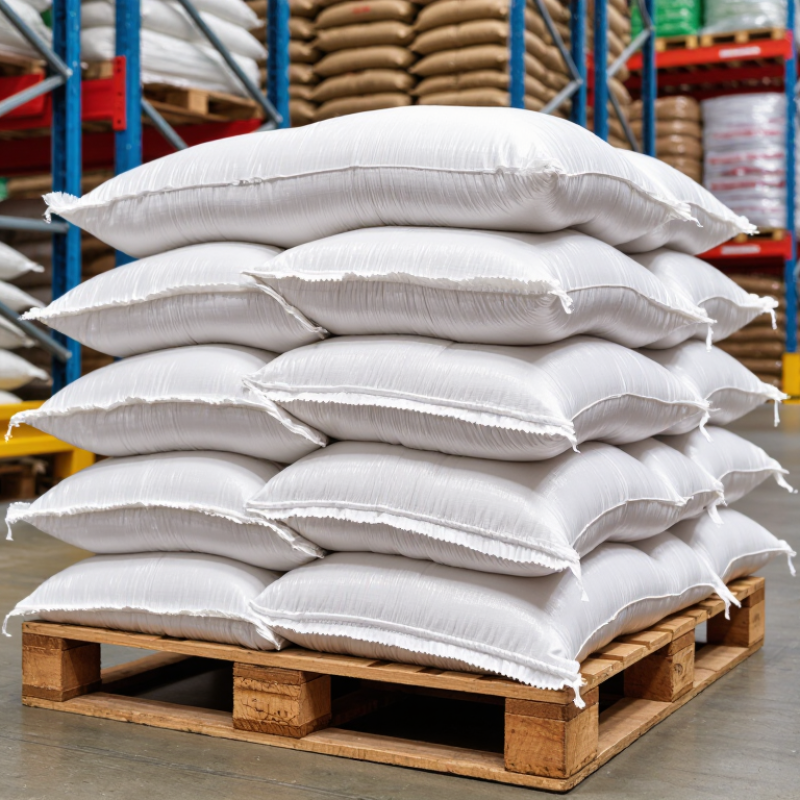
Global sourcing demands packaging that performs across warehouses, ports, climates, and handling systems. A PE Woven Bag often meets that challenge through high tensile strength, low weight, and practical cost control. Its woven polyethylene structure helps protect rice, fertilizer, animal feed, minerals, and industrial materials from tearing during transport. It also supports efficient stacking, palletizing, and container loading.

Packaging expert Dr. Walter Soroka offers a useful principle: “The package must protect the product, not merely contain it.” This idea matters when buyers compare suppliers. A reliable PE Woven Bag supplier should provide consistent fabric density, verified dimensions, dependable stitching, and clear production records. Buyers should also examine lamination quality, valve design, UV resistance, and moisture protection. Small defects can become expensive losses after thousands of kilometers.

The sourcing decision is not perfect. A cheaper bag may increase breakage, dust leakage, or rejected shipments. A stronger bag may add unnecessary material and freight weight. That balance requires testing, not assumptions. Request samples. Check seam strength. Test filled bags under realistic stacking pressure. Review quality-control procedures and applicable market requirements before ordering. Recycled content may support sustainability goals, but it must match product safety and performance needs. Printing quality matters too. Blurred handling instructions can create avoidable confusion.

For global buyers, the best PE Woven Bag is not simply the lowest-priced option. It is the bag that performs consistently, travels efficiently, and remains traceable from factory to destination. That standard encourages better sourcing decisions. Sometimes, the most valuable improvement is noticing what previous orders overlooked.
Why Choose PE Woven Bags for Global Sourcing?

What Are PE Woven Bags?

PE woven bags are flexible containers made by extruding polyethylene into flat tapes, then weaving those tapes into a strong fabric. The weave creates a grid-like surface that resists tearing and supports heavy loads. Manufacturers may add a laminated film, inner liner, stitched valve, or carrying handle. These details change performance significantly.

The bags are used for agricultural products, minerals, chemicals, and industrial materials. Their low weight can reduce empty-packaging volume during international shipping. According to the OECD’s Global Plastics Outlook, global plastic production reached 460 million tonnes in 2019. Plastic waste reached 353 million tonnes that year. These figures cover all plastics, not woven bags, but they show why material selection matters.

A sourcing team should check tensile strength, seam quality, moisture resistance, UV stability, and tested load capacity. ISO 21898 provides requirements for flexible intermediate bulk containers made from woven plastics. Recycled content also deserves careful verification. UNEP’s 2023 Turning off the Tap report states that global plastic pollution could fall by 80% by 2040 through reuse, recycling, and better product design. PE woven bags can support that direction, but only when specifications match real handling conditions. A bag that looks durable may still fail at a sharp corner or weak seam. Testing is not optional.

Why Choose PE Woven Bags for Global Sourcing?

What Are PE Woven Bags?

PE woven bags are packaging products made by weaving polyethylene tapes into a strong fabric. They are lightweight, moisture-resistant, tear-resistant, and suitable for agricultural, industrial, and bulk-material packaging. The chart shows common nominal payload capacities used across different packaging formats.

These are typical nominal payload capacities rather than universal specifications. Actual capacity depends on bag dimensions, fabric weight, seam construction, closure type, filling method, and applicable safety requirements.

How Are PE Woven Bags Made?

Why Choose PE Woven Bags for Global Sourcing?

How Are PE Woven Bags Made?

PE woven bags begin with polyethylene resin, usually HDPE or a blend selected for strength and flexibility. The resin is heated and pushed through a flat die, forming a thin film. This film is slit into narrow tapes. Each tape is stretched while warm, which improves its tensile strength and reduces unnecessary thickness.

The tapes are wound onto bobbins and fed into circular looms. Inside the loom, they cross repeatedly, creating a strong tubular fabric. The weaving pattern can be adjusted for different load requirements. Some bags receive a laminated PE layer, which helps resist moisture and fine powder leakage. Others remain uncoated for better breathability.

After weaving, the fabric is cut to measured lengths. Workers then heat-seal or sew the bottom and prepare the opening. Handles, liners, valves, or printing may be added when the application requires them. A reliable inspection checks width, weight, seam strength, tape density, and drop performance. Small variations still happen. Uneven tension can create weak areas, so process records and sample testing matter. In real sourcing work, the cheapest bag is not always the most efficient choice. A slightly stronger seam may prevent product loss during storage and transport.

What Benefits Do PE Woven Bags Offer?

PE woven bags offer a practical balance of strength, weight, and cost in global sourcing. Their cross-laminated polyethylene tapes resist tearing when filled with grain, minerals, or construction materials. A typical 50-kilogram bag can be lifted repeatedly without adding much transport weight. That matters across long supply chains.

The OECD’s Global Plastics Outlook reports that packaging creates about 40% of global plastic waste. This figure makes material selection more important, not less. PE woven bags can support reuse when their seams, handles, and fabric density match the application. Buyers should request GSM data, tensile-test results, drop-test records, and moisture-barrier specifications. Small details matter. A weak hem can cancel every material advantage.

PlasticsEurope reported global plastics production at approximately 414 million tonnes in 2023. PE woven packaging represents only part of that volume, yet procurement decisions still influence waste and logistics. Compared with heavier rigid containers, woven bags may reduce freight emissions through lower packaging weight and compact storage. However, they are not automatically sustainable. Poorly designed bags tear early, while mixed laminates can complicate recycling. Sourcing teams should examine recycled-content claims, batch traceability, closure quality, and end-of-life collection options. In real projects, the cheapest quotation is often not the lowest total cost. It may create product loss, repacking labor, and customer complaints.

Which Industries Use PE Woven Bags?

PE woven bags serve many industries because they combine strength, low weight, and practical handling. Agriculture uses them for rice, flour, seeds, animal feed, and fertilizer. Their woven structure helps support heavy loads during storage and transport. Construction suppliers often pack cement, sand, minerals, and dry mixtures in these bags. Manufacturing companies may use them for plastic resin, powders, and recycled materials.

In global sourcing, bag design should match the product, filling method, and shipping route. A food-grade inner liner can protect dry goods from moisture and contamination. A laminated outer layer may improve print quality and resistance to rain. I have seen poorly chosen bags split near the stitched mouth. That small failure can waste an entire shipment. Material thickness, seam strength, ventilation, and pallet stacking deserve careful testing. Local packaging and food-contact requirements also matter.

Tips: Ask for samples before placing a large order. Test filled bags under real warehouse conditions. Check whether the supplier can provide consistent dimensions, weight, and seam quality. Do not judge performance by appearance alone. A bright surface may hide weak fabric. It is also wise to review storage temperature and humidity, because polyethylene can behave differently in extreme conditions.

Why Choose PE Woven Bags for Global Sourcing? - Which Industries Use PE Woven Bags?

Industry Typical Products Packed Typical Capacity Useful Bag Construction Why PE Woven Bags Are Used Global Sourcing Checks
Agriculture and Grain Rice, wheat, maize, seeds, pulses and animal feed Commonly 10–50 kg per bag Woven PE fabric; laminated or coated surface; stitched or heat-sealed closure Good tear resistance, low weight, printable surface and protection from dust and handling abrasion Confirm food-contact requirements, seam strength, moisture protection, print durability and pallet dimensions
Fertilizer and Agricultural Inputs Granular fertilizer, soil conditioners, seeds and crop-treatment products Commonly 10–50 kg per bag Laminated PE woven fabric with a sealed or folded top and reinforced bottom seam Supports repeated handling and can be designed with an inner liner or coating for improved moisture resistance Check chemical compatibility, coating adhesion, drop-test performance, filling method and storage conditions
Construction Materials Sand, cement additives, mortar, plaster, dry mixes and aggregates Commonly 20–50 kg per bag Heavy-duty woven fabric; laminated surface; high-strength stitching or block-bottom construction Resists rough handling, puncture and abrasion while providing efficient stacking and transport Verify basis weight, tensile strength, seam performance, dust control, filling-line compatibility and pallet stability
Chemical and Industrial Materials Powders, granules, plastic pellets, minerals and non-hazardous industrial compounds Commonly 15–50 kg per bag Laminated or coated fabric; optional inner liner; controlled filling and discharge features Flexible design allows different closures, liners and barrier levels for dry bulk materials Review safety data, chemical compatibility, liner specification, static-control needs and applicable transport regulations
Pet Food and Feed Dry pet food, livestock feed and premixes Commonly 5–25 kg per bag Printed laminated PE woven fabric with a sewn, heat-sealed or easy-open top Offers strong branding space, handling durability and improved protection against dust and moisture Confirm food-contact compliance, odor control, print migration limits, seal integrity and retail shelf requirements
Waste Management and Recycling Recyclables, recovered plastics, industrial waste and landscape materials Commonly 10–50 kg per bag Uncoated or coated woven fabric; reinforced handles or open-mouth construction where required Reusable designs can provide high load performance with lower packaging weight than many rigid alternatives Specify resin type, recycled-content requirements, reuse expectations, cleaning requirements and local recycling rules
Salt, Minerals and Food Ingredients Salt, starch, sugar, flour and other dry ingredients Commonly 10–25 kg per bag Food-grade PE woven fabric with an inner liner or laminated barrier layer Provides a lightweight, stackable format with options for contamination and moisture control Check food-contact documentation, hygiene controls, liner material, sift resistance and batch traceability

Note: Capacity ranges are typical commercial ranges and vary according to product density, bag dimensions, fabric strength, closure style and applicable market requirements.

How to Choose PE Woven Bags for Global Sourcing?

Choosing PE woven bags for global sourcing starts with the product, not the supplier’s lowest quotation. Define the cargo weight, filling method, storage period, and transport route. A bag for powdered materials needs different construction from one used for granular goods. Check fabric denier, grammage, seam strength, and coating thickness. Small details matter.

Ask for production samples before placing a large order. Fill them with the intended material and stack them under realistic warehouse conditions. Inspect broken threads, uneven stitching, weak corners, and loose inner liners. Measure the bag after filling, not only when it is flat. This practical test often reveals problems that photographs hide.

Reliable sourcing also requires clear technical documents. Request material specifications, test reports, inspection records, and evidence of consistent batch control. Confirm whether the PE resin is suitable for the intended application. Discuss printing accuracy, moisture protection, pallet patterns, carton limits, and container loading plans. A supplier should explain tolerances instead of promising perfection. That is a good sign.

Compare total landed cost, including tooling, sampling, freight, customs handling, and possible rework. A cheap unit price can become expensive after delays or damaged cargo. Ask how complaints are recorded and corrected. Response time matters. So does traceability.

Do not ignore local requirements in the destination market. Packaging, labeling, recycling, and product-contact rules may differ. Verify them with qualified local advisers. Even experienced buyers miss changes. Recheck before shipment.

Find Mitten in Michigan

Request Mitten Near You

Have a favorite dispensary that doesn't carry Mitten Extracts yet? Let us know, and we'll work to make sure our premium products are available where you shop.