Why Choose a Hybrid UV Printer for Your Business?
Why Choose a Hybrid Uv Printer for Your Business?
Print buyers now expect shorter runs, faster changes, and more customized products. The market is responding. Smithers’ 2024 report on digital print for packaging identifies continued growth in digital production, driven by versioning, reduced setup time, and on-demand work. Grand View Research also reports steady expansion in the global digital printing market through 2030. These findings matter to sign shops, packaging teams, and commercial printers facing tighter delivery schedules.
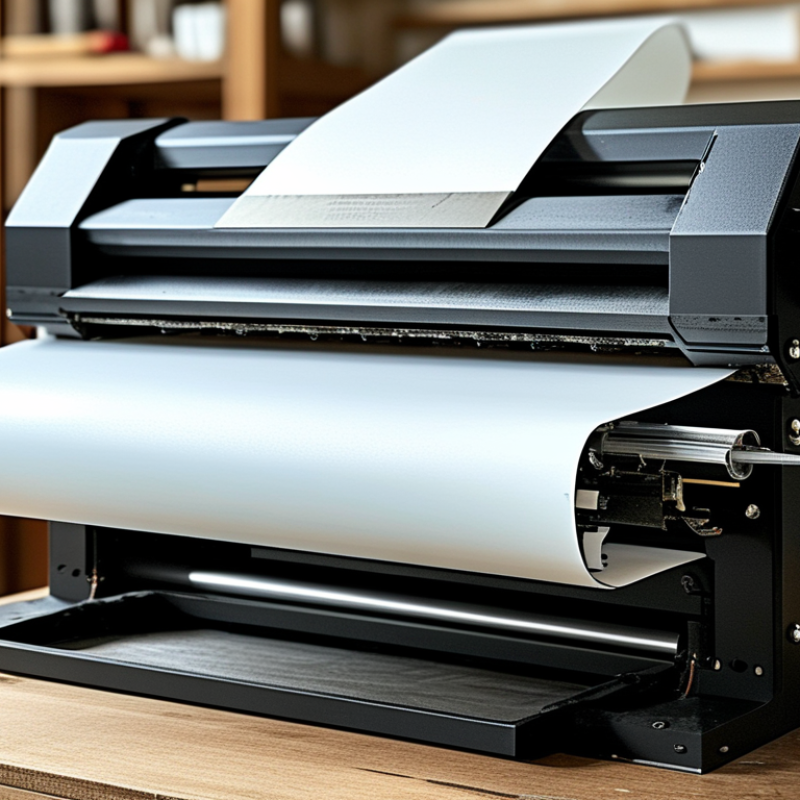
A Hybrid Uv Printer combines flatbed printing with roll-to-roll capability. It can print rigid boards in the morning, then flexible film or vinyl after a media change. UV LED curing dries ink immediately, leaving a sharp surface on acrylic, PVC, corrugated board, canvas, and selected flexible materials. White ink can add contrast on transparent substrates. Registration accuracy becomes visible around small text, window graphics, and layered signage.
The practical advantage is flexibility, not magic. A printer may reduce handling, floor space, and outsourcing costs, but only when the workflow is planned carefully. FESPA industry research repeatedly highlights skills, automation, and production efficiency as major priorities for modern print businesses. Operators still need correct curing settings, ventilation controls, color profiles, and regular nozzle checks. One missed maintenance cycle can leave faint banding across a large panel.
Ask a harder question. Will your current job mix justify the investment? Compare monthly media usage, labor hours, finishing time, and rejected sheets before choosing. A reliable Hybrid Uv Printer should support measurable growth, not simply look impressive in a showroom.
What Is a Hybrid UV Printer?
Why Choose a Hybrid UV Printer for Your Business?
What Is a Hybrid UV Printer?
A hybrid UV printer combines flatbed and roll-to-roll printing in one machine. It can print directly onto rigid boards, acrylic sheets, glass, and wood. It can also handle flexible media, such as films, banners, and adhesive vinyl. The printer cures ink immediately with ultraviolet light, creating a dry surface seconds after printing.
This flexibility matters for sign shops and display producers with changing orders. A rigid panel can remain flat on the table, while a roll feeds through the same printing system. According to Smithers’ digital packaging research, digital print for packaging is expected to surpass 30 billion dollars in annual value by 2028. That growth reflects stronger demand for short runs and personalized graphics.
The technology still has limits.Ink adhesion depends on surface treatment, material quality, and curing settings. Glossy plastic may require testing or a primer. A Hybrid Printer can also be inefficient when production is almost entirely roll-based or sheet-based. That is easy to overlook.
Grand View Research reported that the global UV-cured printing inks market was valued at approximately 1.9 billion dollars in 2023, with growth projected above 10 percent annually through 2030. These figures suggest expanding demand, but they do not guarantee profit for every workshop. Operators should measure media waste, cleaning time, curing consistency, and daily workload before investing. A small test chart on real materials often reveals more than a sales brochure.
How Does Hybrid UV Printing Technology Work?
Why Choose a Hybrid UV Printer for Your Business?
How Does Hybrid UV Printing Technology Work?
A hybrid UV printer combines two printing paths in one machine. It can print directly on rigid sheets and flexible roll materials. Flat boards stay on the vacuum table, while films and banners move through a roll-to-roll system. This design reduces equipment changes and supports varied production orders.
The process begins when ink is placed onto the material through precision printheads. UV LED lamps cure each layer almost immediately. The ink becomes a durable surface instead of soaking deeply into the substrate. White ink can create a bright base on dark materials. Clear varnish may add gloss, texture, or protective detail.
Material preparation still matters. Dust, moisture, and uneven surfaces can affect adhesion. Operators should test curing settings before a full run. A small color shift may appear between flexible vinyl and rigid plastic. It is easy to overlook this.
Regular nozzle checks, lamp inspections, and profile calibration improve consistency. Yet the printer is not a magic solution. Some materials still need primers, longer curing, or adjusted ink limits. Practical testing remains more reliable than assumptions.
What Materials Can Hybrid UV Printers Handle?
Hybrid UV printers are useful because they accept both rigid sheets and flexible rolls. Common choices include acrylic, PVC, corrugated plastic, foam board, aluminum composite panels, wood, coated glass, canvas, and adhesive film. UV-curable ink dries under ultraviolet light, leaving sharp images on many non-porous surfaces. However, “printable” does not mean “production-ready.” Surface texture, coating, moisture, and static can change adhesion.
Grand View Research valued the global digital printing market at about $36.5 billion in 2022, with projected growth of 6.2% annually through 2030. This expansion reflects demand for short runs and customized graphics, where hybrid equipment can reduce setup changes. In daily production, I would test a small corner first. Rub the print after curing. Check white ink coverage. Leave the sample overnight. Some materials look perfect immediately, yet fail after bending or cleaning. That is an easy mistake to make.
Tips: Keep a substrate test log. Record ink mode, curing power, primer use, and drying time. For glass or difficult plastics, improve adhesion only after testing the manufacturer’s approved surface treatment. Avoid assuming one profile fits every sheet. A reliable operator measures results, not promises.
What Are the Main Business Benefits?
A hybrid UV printer combines flatbed and roll-to-roll production in one workflow. This flexibility helps businesses print signs, boards, labels, films, and customized décor without changing equipment. Grand View Research valued the global digital printing market at over USD 25 billion in 2022. Its report also projects steady growth through 2030, driven by short runs and personalization.
The main benefit is operational efficiency. UV curing dries ink immediately, reducing waiting time and handling damage. A shop can print a rigid panel, then switch to flexible media with less setup. This may reduce outsourcing costs and support faster delivery. Smithers’ digital print research highlights shorter runs, versioning, and on-demand production as important industry growth factors. Those advantages can improve cash flow because businesses need less finished inventory. Not every calculation is perfect. Ink, maintenance, ventilation, training, and rejected prints still affect margins. A hybrid printer is not a solution for weak sales.
Tips: Track job time, ink usage, media waste, and reprints for at least three months. Compare those figures with current outsourcing invoices. Test textured boards and flexible films before accepting large orders. Choose realistic print speeds, not only impressive showroom numbers. Keep a backup plan for maintenance days. Small businesses should also check whether daily demand can justify the equipment. A cheaper machine may cost more when downtime becomes frequent.
How Should You Choose the Right Hybrid UV Printer?
Choosing a hybrid UV printer starts with your actual production mix, not the largest advertised specification. List the materials you print each week, including boards, films, paper, and textured sheets. If rigid boards and flexible films share your workload, confirm the table, roll unit, and media path handle both safely. Measure your largest common sheet, not only your smallest sample. A printer that fits your space but limits media size can become expensive quickly. This matters daily.
Check printhead configuration, curing power, color channels, and expected production speed. Higher resolution is not always better for every application. Ask for test charts using your own files and materials. Inspect small text, skin tones, gradients, and solid-color areas. Curing deserves equal attention. Poorly cured ink may scratch, smell strongly, or reduce adhesion. Request samples after curing, handling, and short-term storage. Also examine cleaning routines and operator access. An efficient machine should not require constant manual adjustment. Yet automation can hide errors. Train operators to inspect results.
Calculate total ownership cost, including ink usage, lamps, printheads, maintenance parts, energy, and downtime. Request documented service intervals and realistic output estimates. Reliable technical support matters when a printhead warning appears before a deadline. Check response times, spare-part availability, and training options. Speak with users who print similar materials. Do not choose from a showroom image alone. A wider printer may sound impressive, but it can consume valuable floor space. Leave room for loading and maintenance. The best decision often comes from a short production trial, though trials can reveal uncomfortable limitations. That is useful.
Why Choose a Hybrid UV Printer for Your Business? — How Should You Choose the Right Hybrid UV Printer?
| Decision Area | Evaluation Metric | Entry-Level Hybrid | Production Hybrid | Industrial Hybrid |
|---|---|---|---|---|
| Business Profile | Best suited for | Start-ups and small print shops Short runs, customized products, and varied local orders. | Growing commercial printers Regular signage, décor, packaging prototypes, and mixed-material work. | High-volume production facilities Continuous workloads, multiple shifts, and large customer programs. |
| Media Handling | Supported media types | Rigid sheets and flexible roll media; suitable for boards, films, banners, and self-adhesive materials. | Rigid and roll media with stronger vacuum control and more efficient loading for frequent job changes. | Rigid and roll media with automated handling options, higher loading capacity, and production-line integration. |
| Printable Width | Common market range | Approximately 1.3–1.6 m | Approximately 1.6–2.5 m | Approximately 2.5–3.2 m or wider |
| Flatbed Workspace | Typical board-handling size | Approximately 1.2 × 2.4 m or smaller | Approximately 1.5 × 3.0 m to 2.0 × 3.0 m | Approximately 2.0 × 3.0 m or larger, depending on configuration |
| Production Volume | Practical workload profile | Low to moderate daily volume; frequent job changes are acceptable. | Moderate to high daily volume; designed for dependable repeat production. | High daily volume; designed for extended operating periods and minimized downtime. |
| Print Speed | How to compare speed | Prioritize usable production speed at the required quality rather than the maximum headline speed. | Compare production modes, carriage width, ink configuration, and the effect of white ink or varnish. | Validate speed using a full-shift test with the actual media, resolution, ink layers, and finishing workflow. |
| Ink Configuration | Common options | CMYK; white ink may be available for transparent, colored, or dark substrates. | CMYK with optional white ink and, on some configurations, varnish or light colors. | Expanded configurations may include white, varnish, light colors, or specialty spot channels. |
| Curing and Drying | UV curing benefit | UV LEDs cure ink immediately after printing, allowing printed sheets to be handled soon after production. | Immediate curing supports multi-layer printing and reduces dependence on separate drying space. | High-duty UV curing systems support continuous production; verify heat control for sensitive media. |
| Material Compatibility | Typical applications | Foam board, PVC sheet, acrylic, aluminum composite, corrugated board, vinyl, and banner media. | All common rigid and flexible substrates, subject to ink adhesion and manufacturer-approved media testing. | Broad industrial media selection, including specialty boards and engineered substrates after qualification testing. |
| White Ink Requirements | When it adds value | Useful when printing on transparent, colored, or dark materials; adds maintenance and ink-management needs. | Important for premium signage, layered graphics, window films, backlit work, and specialty décor. | Best suited to high-value specialty applications where layered effects and opacity justify additional complexity. |
| Automation | Workflow features to check | Manual loading, basic vacuum zones, RIP software, and standard job presets. | Multiple vacuum zones, registration aids, roll-to-sheet efficiency, media presets, and remote monitoring. | Automated loading options, barcode workflows, production scheduling, nozzle monitoring, and MIS or ERP connectivity. |
| Floor Space | Installation planning | Lower space requirement, but allow room for media staging, ventilation, and operator access. | Requires additional space for roll units, sheet loading, finishing, and safe operator movement. | Requires substantial space for material flow, pallet access, finishing equipment, and maintenance clearance. |
| Operating Cost | Main cost drivers | Ink consumption, printheads, maintenance materials, electricity, media waste, and operator time. | Ink usage, preventive maintenance, printhead replacement, labor efficiency, and equipment utilization. | Service contracts, automation, spare parts, energy consumption, labor, and downtime risk. |
| Maintenance | Daily operating needs | Regular nozzle checks, printhead cleaning, white-ink circulation when installed, and proper shutdown procedures. | Scheduled maintenance is essential because higher utilization increases the impact of nozzle loss and downtime. | Use documented preventive-maintenance plans, trained technicians, spare parts, and service response procedures. |
| Quality Control | Tests to perform before purchase | Check color consistency, small text, gradients, white-ink opacity, and adhesion on target materials. | Run repeatability tests across multiple sheets and rolls at the intended production resolution. | Run a full production simulation covering color stability, registration, uptime, media changes, and shift-to-shift consistency. |
| Recommended Choice | Selection rule | Choose this level when flexibility and lower initial investment matter more than maximum throughput. | Choose this level when the business needs a balance of productivity, media versatility, and operating cost. | Choose this level when predictable high utilization and reduced labor or downtime justify the larger investment. |