What Are Hydrolyzed Peptides Used For?
Hydrolyzed Peptides are protein fragments made by breaking larger proteins into smaller chains. You may find them in protein powders, specialized nutrition products, skincare formulas, and food research. Their purpose depends on the source, processing method, and intended use. One label can cover products with very different peptide profiles.
Food scientists David D. Kitts and Karen Weiler describe bioactive peptides as “specific protein fragments that have a positive impact on body functions or conditions and may ultimately influence health.” Their definition appeared in the 2003 review “Bioactive Peptides: Dietary and Clinical Significance.” It offers useful context, but it does not mean every hydrolyzed peptide product has a proven health effect. That distinction matters.
In nutrition, hydrolyzed proteins may be used in products designed for convenient mixing or specific dietary needs. In cosmetics, peptide ingredients may be included in formulas intended to support skin care, though results depend on the formulation and evidence. Researchers also study how peptide size and amino-acid sequence affect their properties. Small details count.
A practical example is the ingredient panel: it may name collagen, whey, or another protein source, while saying little about the resulting peptide profile. Ask what the product contains. Check the evidence. And keep expectations measured. The term “hydrolyzed” describes processing, not a guaranteed outcome. This guide explores common uses, product differences, and questions worth asking before choosing a product. One point deserves reflection: attractive claims can travel faster than reliable evidence.
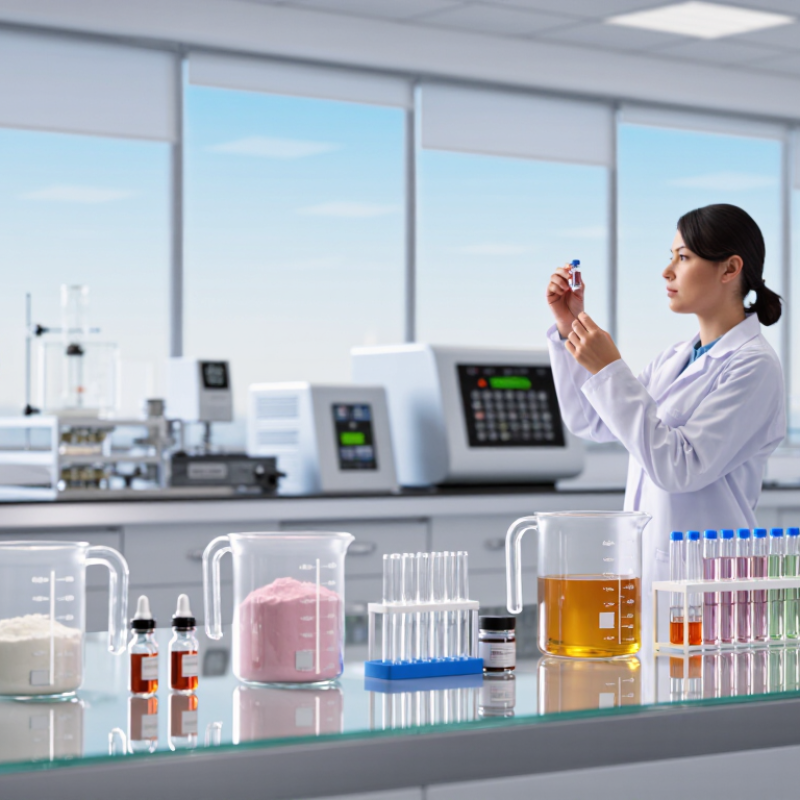
What Hydrolyzed Peptides Are and How They Are Produced
Hydrolyzed peptides are short chains of amino acids made by breaking larger proteins into smaller pieces. This process is called hydrolysis. It can use enzymes, acid, or alkaline conditions, though food production commonly uses carefully controlled enzymes. The starting protein may come from sources such as milk, soy, fish, or collagen. The source and process affect the peptides’ size, solubility, taste, and final composition. Not every hydrolysate is alike. That distinction matters.
Production usually begins with preparing and dissolving the protein-rich material. Enzymes are then added under monitored conditions, such as a set temperature and acidity. Once the desired breakdown is reached, heating or another step stops the reaction. Filtration can remove larger particles, and the liquid may be concentrated and dried into powder. The process sounds tidy on paper; real batches can vary. Manufacturers therefore test properties such as protein content, moisture, and peptide profile.
Because smaller peptides often dissolve more readily than intact proteins, hydrolysates can be used in drinks, protein foods, and specialized nutrition products. Some are also ingredients in personal-care formulations, where their role depends on the specific peptide and product design. Hydrolysis does not automatically make a product more effective or suitable for everyone. Its purpose and evidence depend on the source, composition, and intended use.
How Peptide Size and Composition Affect Their Properties
What Are Hydrolyzed Peptides Used For?
Hydrolyzed peptides are protein fragments made by breaking larger proteins into shorter chains. Their uses depend partly on how small those fragments are and which amino acids they contain. Smaller peptides may dissolve more readily, affecting how a powder mixes into a drink or how an ingredient behaves in a food formula. Size matters. But “smaller” does not automatically mean better: the source protein and hydrolysis process also shape taste, texture, and function.
In foods and nutrition products, peptide size can influence solubility and mouthfeel. A powder that disperses quickly in cool water may be easier to use, while some peptide mixtures can still taste bitter. Composition matters too. Peptides rich in certain amino acids may suit different formulation goals, but their effects depend on the product and the evidence behind a specific claim.
In skin-care formulas, hydrolyzed proteins may help condition the skin or improve a product’s feel; results vary with the ingredient and formulation. Not always. A label saying “hydrolyzed” alone does not reveal the peptide-size range or prove a particular benefit. Checking the source, processing details, and credible testing gives a more useful picture.
Uses of Hydrolyzed Peptides in Food and Nutrition
Hydrolyzed peptides are proteins broken into shorter chains through enzymes or controlled processing. In food and nutrition, this can help ingredients disperse in drinks, protein powders, soups, and clinical nutrition formulas. Small peptides matter. Their size can change solubility and digestion characteristics, but it does not guarantee better results for every person. Whey and collagen hydrolysates are common examples; fish and plant proteins can also be hydrolyzed. Texture matters too. Some hydrolysates taste bitter, so formulators may need to balance flavor, sweetness, and acidity.
Their use sits within a growing protein-focused market. Grand View Research valued the global sports nutrition market at USD 45.24 billion in 2023; this figure covers the whole category, not hydrolyzed peptides alone. The International Society of Sports Nutrition’s position stand reports a daily protein range of 1.4–2.0 g per kilogram of body weight for many exercising people. That guidance is about total protein intake, not a special benefit from hydrolysates. In practice, manufacturers may choose them for a specific texture, processing need, or nutrition format. I would be cautious about calling them a shortcut: evidence depends on the protein source, product, and person, and some drinks still have a noticeably bitter finish.
Applications in Cosmetics, Medicine, and Research
Hydrolyzed peptides are short protein fragments made by breaking larger proteins into smaller units. In cosmetics, hydrolyzed collagen or other proteins can help condition skin and hair, or form a light film that reduces moisture loss. They are not automatically proven to rebuild collagen in living skin. Small fragments matter. Grand View Research estimated the global peptide therapeutics market at $41.5 billion in 2023; that figure covers therapeutic peptides broadly, not protein hydrolysates specifically.
In medicine, selected protein hydrolysates are used in specialized nutrition, including some formulas designed for people with particular digestive or allergy-related needs. Use depends on the product and clinical situation. Do not treat cosmetic peptides as medicines. In research, hydrolysates help scientists study protein breakdown, cell responses, and ingredient properties. Results can vary with fragment size and preparation, so a finding from one formula may not apply to another. The boundary is not always neat.
Tips: Check the ingredient’s source, stated purpose, and evidence. For medical nutrition, ask a qualified clinician; “hydrolyzed” alone does not guarantee suitability.
Factors That Guide Their Selection and Use
Hydrolyzed peptides are smaller protein fragments created by breaking proteins into shorter chains. Their uses vary: food makers may add them for solubility or protein content, while skincare formulators may use them for texture or conditioning. The intended use matters. A peptide chosen for a drink is not automatically suitable for a topical product.
Selection depends on the source protein, peptide size, amino acid profile, and how well the material dissolves. For example, a powder that mixes smoothly in cool water may suit a beverage better than one that clumps. Check the product’s technical documentation for composition, allergen information, and quality testing. Evidence also matters: laboratory findings do not always predict noticeable results in people. That distinction can be easy to overlook.
Tips: Match the peptide to the formula and the intended use. Review sourcing and testing records, then check compatibility in a small trial batch. Ask a qualified professional about dietary or skin concerns. Results can vary, and “hydrolyzed” alone does not guarantee a particular benefit.
What Are Hydrolyzed Peptides Used For? Factors That Guide Their Selection and Use
Daily amounts of hydrolyzed collagen tested in selected clinical trials
How to interpret: These are study-specific amounts, not universal recommendations. Selection depends on the intended use, peptide source and profile, evidence for the specific formulation, dietary needs, and any allergies or restrictions. Skin-study values are from Proksch et al. (2014); the joint-discomfort value is from Clark et al. (2008).