What Are the Top Types of Foot Scrub?
Foot care is more than a cosmetic concern: rough heels can catch on socks, while dry skin may feel tight after a shower. The American Podiatric Medical Association reported that 77% of Americans had experienced foot pain in its 2014 public opinion survey. That figure does not measure exfoliation needs, but it highlights how often people notice foot discomfort. A Foot Scrub can help lift surface buildup; it cannot diagnose or treat the cause of pain.
The wider market is growing, too. Grand View Research valued the global foot-care market at about $3.8 billion in 2023 and projected continued growth through 2030. This covers many products, not scrubs alone—a distinction that is easy to overlook. For shoppers, the practical question is simpler: which texture and method suit their skin? Common options include pumice-based scrubs for coarse areas, sugar or salt formulas for manual exfoliation, and exfoliating acids that loosen dead skin without gritty particles. Some products combine methods. No single scrub suits everyone.
The sections ahead compare these types by texture, ingredients, and ease of use. A gritty formula may feel effective, but more abrasion is not always better. People with diabetes, reduced sensation, open cracks, or persistent irritation should seek advice from a qualified health professional before exfoliating. Small detail, big difference. Ingredient lists and gentle pressure matter, though product claims can sometimes sound more certain than the evidence allows.
How Foot Scrubs Exfoliate and Soften the Skin
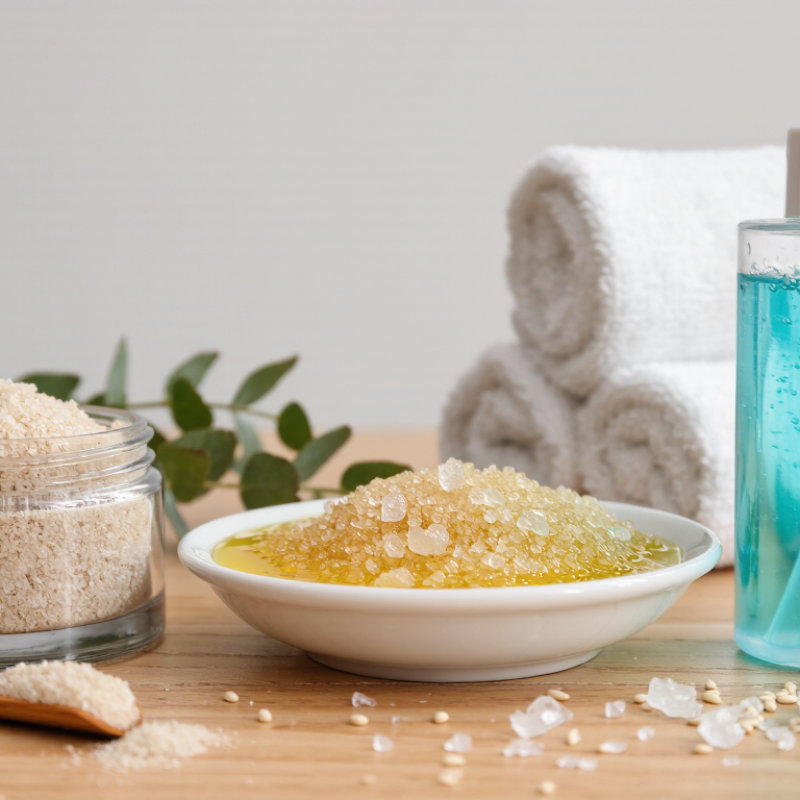
Foot scrubs work by loosening and lifting compacted dead cells from the outer skin layer. Pumice and fine mineral grains do this through friction; sugar or salt crystals dissolve partly as they are rubbed over damp skin. Acid-based formulas use ingredients such as lactic acid to loosen the bonds between surface cells. The American Academy of Dermatology advises gentle exfoliation, since vigorous scrubbing can irritate skin. Use light pressure, especially around the heel, where cracks can hide. More grit is not always better.
Softness also depends on moisture. A scrub can smooth rough patches, but it does not replace a moisturizer; applying one after bathing helps reduce water loss. The American Podiatric Medical Association’s 2014 survey reported that 77% of Americans had experienced foot problems. That figure covers many issues, not just dry skin, but it shows why careful foot care matters. For thick, stubborn roughness, a foot file may work better than repeated scrubbing. Stop if skin stings or becomes red. A small catch: scrubbing can feel satisfying before the skin has actually recovered. Used gently, exfoliation plus regular moisturizing is more useful than chasing an instantly smooth finish.
What Are the Top Types of Foot Scrub? - How Foot Scrubs Exfoliate and Soften the Skin
| Type | Common Ingredients | How It Exfoliates | Skin Feel and Softening Benefits | Practical Use Notes |
|---|---|---|---|---|
| Sugar scrub | Sugar crystals suspended in an oil- or cream-based mixture | Crystals loosen surface flakes through gentle friction as the product is massaged over damp skin. | The moisturizing base can leave skin feeling smoother and less dry after rinsing. | Use light pressure, especially on thinner or sensitive skin. Rinse thoroughly to remove residue. |
| Salt scrub | Salt crystals blended with oils or other emollient ingredients | Coarse crystals physically buff the outermost layer of rough, flaky skin. | Can smooth rough-feeling areas; the oil base may help reduce a dry, tight feel. | Salt can sting on cracked, irritated, or freshly shaved skin. Avoid using it on open cuts. |
| Pumice scrub | Finely ground pumice, a porous volcanic rock, in a wash or cream base | Small mineral particles provide physical abrasion to help lift dead surface skin. | Often used on thicker, rough areas such as the heels; the base determines how moisturizing it feels. | Massage gently on damp skin. Stop if the skin becomes sore or irritated. |
| Foot scrub with a softening base | Fine exfoliating particles combined with ingredients such as glycerin, petrolatum, or plant oils | Particles manually buff the surface while the base helps condition the skin. | Combines surface smoothing with ingredients that help reduce moisture loss and improve skin feel. | Check the ingredient list if you have sensitivities. Applying a plain moisturizer after rinsing can help maintain softness. |
| AHA foot exfoliant | Alpha hydroxy acids, such as lactic acid or glycolic acid, in a gel, lotion, or foot-care formula | Acids loosen bonds between dead surface cells, helping them shed without scrub particles. | Can help improve the feel of dry, rough skin over time; formulas may also contain moisturizing ingredients. | Follow the product directions and avoid applying to broken or irritated skin. Use cautiously if you have sensitive skin. |
| Urea-based foot exfoliant | Urea in a cream or balm, sometimes combined with other moisturizing ingredients | At suitable concentrations, urea helps hydrate and soften thickened surface skin, making it easier for dead cells to shed. | Can soften dry, rough areas while supporting skin hydration. | Use as directed. Urea products may sting on cracked skin; discontinue use if irritation occurs. |
General care: Choose a method that suits your skin, use gentle pressure, and do not exfoliate broken or inflamed skin. People with diabetes, reduced foot sensation, or circulation problems should ask a healthcare professional before using abrasive foot treatments.