Top Road Bicycle Brands for Global Buyers
Choosing among the top Road Bicycle brands is less about finding one universal winner and more about matching a bike to your roads, budget, and riding goals. Global buyers may compare established names such as Trek, Giant, Specialized, Cannondale, Merida, Canyon, Bianchi, and Pinarello. Each offers different models, price points, and market availability. A familiar logo is only a starting point.
Fit comes first. A frame that feels stretched during a short test ride may become uncomfortable on a long climb. Compare geometry charts, frame sizes, and test-ride options where possible. Then consider practical details: carbon or aluminum construction, gearing for local hills, hydraulic disc brakes, tire clearance, and the cost of replacement parts. A lightweight frame may sound appealing, but durability and service access matter too.
Buying across borders adds more questions. Check local dealer support, warranty terms, delivery costs, and whether the listed components match the bike you will receive. Specifications can vary by region and model year. Small print matters. Reviews and brand reputations can guide research, but they cannot confirm that a bike suits your body or daily routes. Even a highly praised model may feel wrong after twenty minutes in the saddle. That is easy to overlook. This guide compares leading brands through features, value, availability, and ownership considerations, helping buyers narrow their choices without treating any ranking as final. A careful fit check is still worth the effort.
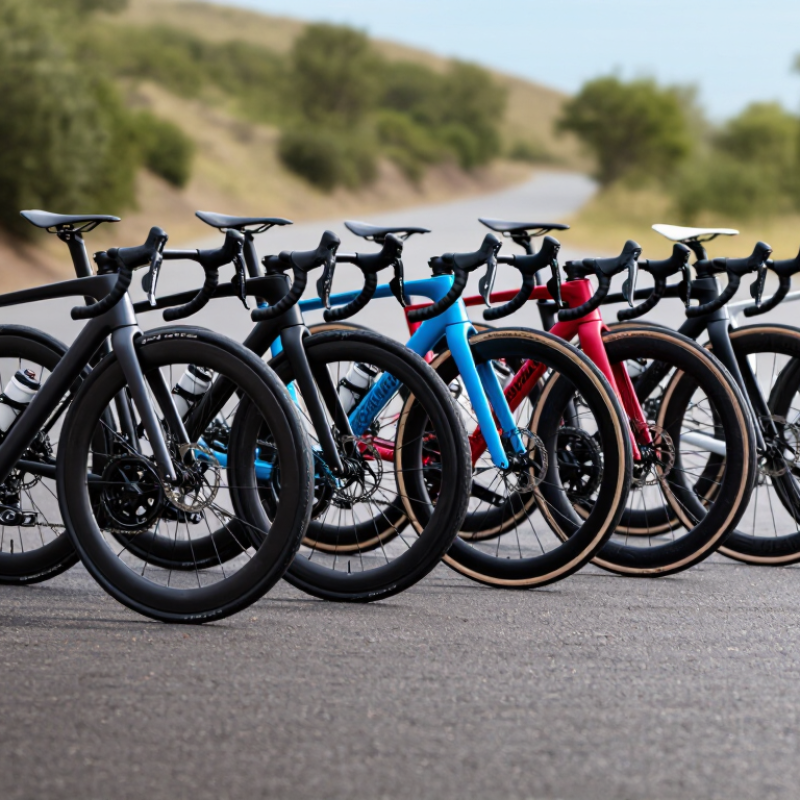
Road Bicycle Categories and Key Criteria for Global Buyers
Road bicycles serve different riding needs, so category labels are a useful starting point. Race models usually favor low weight and quick handling on smooth roads. Aero models use shaped tubes to reduce drag, though their riding position may feel demanding. Endurance bikes often offer a taller position and steadier steering for longer days. All-road models provide extra tire clearance for broken pavement and light gravel. Fit matters most.
Compare geometry charts with your own measurements, then check sizing support before buying. A few centimeters can change reach and comfort. Frame material affects weight, feel, and price, but it does not decide ride quality alone. Look at gearing for your local climbs, and confirm tire clearance, brake type, wheel size, and replacement-part availability. These details matter when the nearest service shop is far away.
A short test ride can reveal pressure points that a specification sheet cannot. If testing is impossible, ask for the stack and reach figures, not only a size label. Check the warranty process, shipping protection, and whether common components can be serviced locally. A comparison table can still miss something: comfort after two hours is hard to predict from numbers alone. Some choices involve compromise.
How the UCI’s 6.8 kg Rule Shapes Race-Bike Design
The UCI’s 6.8 kg minimum shapes race-bike design, but it is a floor, not a promise of speed. Article 1.3.019 of the UCI Technical Regulations sets that threshold for competition bicycles. Designers balance frame weight against stiffness, aerodynamics, and durability. A lighter frame can still lose time if it flexes under hard pedaling or handles poorly in crosswinds. Every gram has a trade-off.
The scale is only part of the story. A complete build includes details such as pedals, bottle cages, and the chosen wheels, so component choices can shift the final weight. ISO 4210-6:2023 specifies laboratory test methods for bicycle frames and forks, a useful reminder that low mass must coexist with structural testing. On a workshop floor, a mechanic may check the finished bike on a calibrated scale, then inspect fasteners and clearances. Small details matter. Yet chasing the limit can be misleading: riders differ, and a compliant number does not guarantee a comfortable or reliable race bike. The UCI figure is a constraint, not a design recipe.
Top Road Bicycle Brands for Global Buyers: How the UCI’s 6.8 kg Rule Shapes Race-Bike Design
The UCI’s minimum mass for a road-racing bicycle is 6.8 kg. The chart shows the regulatory limit—not the average weight of race bikes—and illustrates how a minimum-weight rule can make designers balance weight savings with stiffness, durability, and other performance goals. A bike built below the limit may need ballast to comply.
Source: UCI Cycling Regulations, Article 1.3.019. The 2000–2026 points represent the stated minimum-weight rule, not annual measurements.
ISO 4210: Safety Tests for Bicycle Frames, Forks, and Brakes
For global buyers, ISO 4210 is a practical safety benchmark, not a shortcut to judging a complete bicycle. ISO 4210-6:2023 sets test methods for frames and forks, including fatigue and impact testing. ISO 4210-4:2023 covers braking test methods. In a laboratory report, look for the tested model and configuration, test conditions, cycle or load results, and any cracks or permanent deformation. Details matter: a different fork, frame size, or brake setup may change what the evidence actually covers.
A pass supports confidence in the tested sample, but it does not prove that every production bicycle is identical. Ask how the manufacturer controls materials, welding, assembly, and production changes. Check that the report identifies the exact frame and fork, rather than a similar-looking model. One detail is easy to miss: test evidence can be current and still leave questions about later design revisions. That is worth checking.
Tips: Request the ISO 4210 test report, confirm its scope and date, and match the listed components to the bicycle being purchased. Notice any exclusions. A clear answer is reassuring.
Leading Global Brands Compared by Range, Technology, and Dealer Network
For global buyers, a road-bike brand’s range matters as much as its flagship model. Look for clear options in endurance, racing, and entry-level frames, with sizes and gearing suited to local roads. The CONEBI 2024 European Bicycle Industry and Market Profile reported 11.7 million bicycle sales in Europe in 2023, including 5.1 million e-bikes. That shift makes a brand’s wider product strategy worth checking, even when you want a road bike.
Technology claims need practical scrutiny. Compare frame material, tire clearance, brake standards, and the cost of replacement parts. Ask whether electronic shifting or proprietary components can be serviced near you. Small details matter. A lightweight frame is less useful if a cracked hanger takes weeks to replace. Specifications help, but they do not tell the whole story.
Dealer coverage can shape ownership after purchase. Check the brand’s official dealer locator, then call a nearby shop about fit appointments, warranty handling, and common parts. Ask whether mechanics can source parts across borders. A broad network on a map may still mean limited service in your region. I would not rank brands by showroom count alone; response time and repair capability are harder to measure, and easy to overlook.
How to Match a Brand to Budget, Fit, and Riding Purpose
Choosing a road bicycle brand starts with your budget, body measurements, and typical rides—not its reputation alone. Set aside money for a helmet, basic repairs, and a professional fit if needed. A lightweight frame may sound appealing, but reliable shifting and comfortable contact points matter more on long rides. For steep hills, compare low climbing gears. For flat commutes, prioritize stable handling and room for practical accessories. Check local service availability, too; a bicycle that is difficult to maintain can become an expensive choice.
Tips: Measure your inseam, compare it with the maker’s size chart, and test ride when possible. Notice pressure in your hands, knee position, and whether you can reach the brakes comfortably. A chart is only a starting point.
Match the bicycle to your real routes. Smooth roads may suit a more responsive setup, while rough pavement calls for wider tires and a calmer ride. Ask what components and warranty support are included, and confirm replacement parts are easy to source. It is tempting to stretch your budget for a premium frame. I would reconsider that choice if it leaves no room for proper sizing or routine maintenance. A short test ride may not reveal everything, but discomfort in the first few minutes deserves attention.
Top Road Bicycle Brands for Global Buyers - How to Match a Brand to Budget, Fit, and Riding Purpose
| Buyer Profile | Typical Budget (USD) | Common Bike Setup | Best Suited To | Fit and Buying Priorities |
| New or occasional rider | About $800–$1,500 | Aluminum frame, mechanical shifting, rim or entry-level disc brakes | Fitness rides, commuting on paved roads, and shorter recreational outings | Prioritize a suitable frame size, comfortable reach, reliable components, and local service access. |
| Regular recreational rider | About $1,500–$3,000 | Aluminum or entry-level carbon frame, wider gear range, commonly disc brakes | Weekend rides, longer distances, and varied paved routes | Look for a stable endurance-style position, useful tire clearance, and gearing suited to local hills. |
| Committed road cyclist | About $3,000–$6,000 | Performance carbon or lightweight aluminum frame, hydraulic disc brakes, upgraded drivetrain | Frequent training, club rides, and amateur events | Compare geometry carefully; confirm saddle height, handlebar reach, and a sustainable riding position. |
| Racer or performance-focused rider | About $6,000–$10,000+ | High-spec carbon frame, electronic shifting on many builds, performance wheels | Racing, fast group riding, and riders seeking low weight or aerodynamic efficiency | Choose geometry for the intended event and flexibility; factor in replacement-part and service costs. |
| Long-distance or mixed-surface rider | About $1,500–$5,000 | Endurance road or all-road setup, disc brakes, clearance for wider tires; mounting points vary | All-day rides, rough pavement, light gravel, or carrying small bags when supported | Check maximum tire clearance, mounting options, low climbing gears, and comfort over extended hours. |
Budget ranges are approximate USD examples for complete bicycles; prices vary by country, taxes, specification, and availability. A professional fit and a test ride can help confirm frame size and riding position.