Top Electric Vape Types for Global Buyers

Electric Vapes now come in several designs, and global buyers need more than a stylish product photo. Device format affects portability, maintenance, battery capacity, and the type of replacement components required. Small pod-style models fit neatly beside a phone. Larger refillable devices may offer more adjustment, but they also need closer attention to specifications and care. Details matter.

This guide compares leading Electric Vapes by practical features, including form factor, power controls, charging method, and manufacturer support. It also considers packaging clarity, product documentation, and the consistency of available components. These checks help buyers assess products across different markets without relying on bold claims. A clear specification sheet is more useful than a glossy box.

Dr. Konstantinos Farsalinos is a researcher known for studying e-cigarettes. No source text was provided to verify a direct quotation, so the following is an editorial paraphrase, not his verbatim words: “Assess devices by documented features, not appearance alone.” That principle keeps the comparison grounded. Buyers should also confirm that products meet applicable requirements in their destination market and come with reliable support. A low purchase price can look attractive; missing instructions or unclear specifications can change the calculation. Not every feature suits every buyer. The sections ahead examine common electric vape types, their defining trade-offs, and the details worth checking before purchase.
Top Electric Vape Types for Global Buyers

Electric Vape Devices: Core Components and Operating Principles

Electric vape devices generally combine a power source, a control circuit, a heating element, a liquid chamber, and an airflow path. Small parts matter. The battery supplies energy, while the circuit manages activation and may monitor conditions such as resistance or charge level. In many designs, a sensor detects a button press or airflow. The heating element, often a metal coil, warms liquid held in a wick or similar material. A mouthpiece directs the resulting aerosol toward the user. The arrangement varies: some devices use sealed pods, while others have refillable chambers.

The operating principle is straightforward, but not perfectly predictable. When activated, electrical current heats the coil; liquid contacting the warmed wick forms an aerosol that mixes with incoming air. Air openings, coil design, and control settings can influence how much vapor forms and how warm it feels. A clean diagram can make the system seem simpler than it is. Liquid viscosity, coil condition, and airflow also affect performance, so a parts list alone cannot predict output. Devices may include protections against issues such as overheating or electrical faults, but safeguards differ. Their presence should not be treated as a substitute for careful handling or clear product documentation.

Main Electric Vape Categories Available to Global Buyers

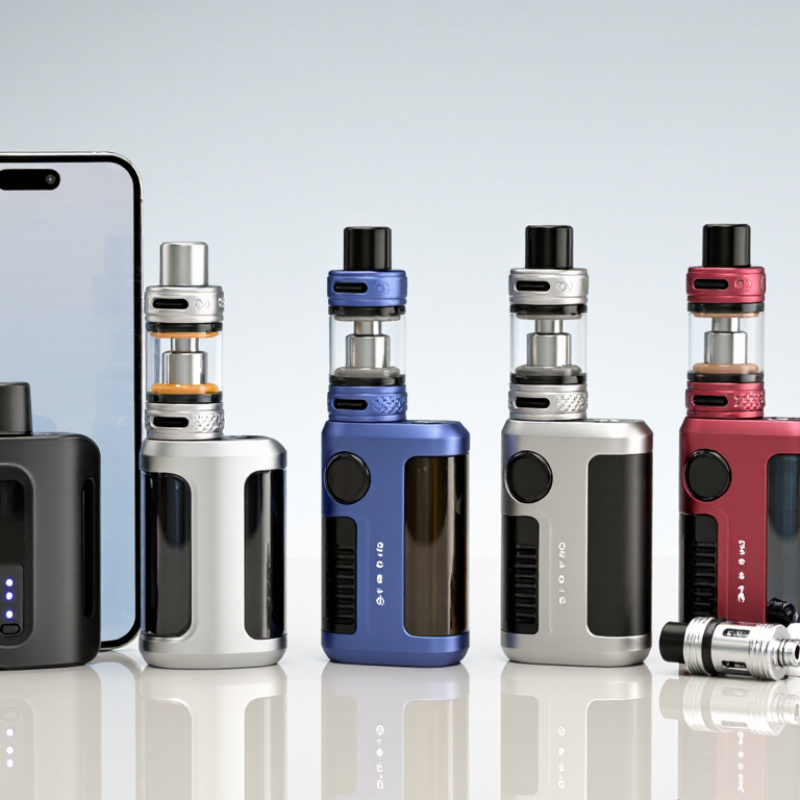
Electric vape devices are not one uniform category. For global buyers, the main differences are form, refill method, power control, and maintenance. Compact pod systems use small cartridges or refillable pods. They suit buyers seeking a light device and simple handling. Check whether a pod is sealed or refillable; that detail changes ongoing upkeep.

Pen-style devices have a slim tube shape and usually offer straightforward controls. Box-style devices are larger, often with adjustable settings and replaceable components. More control can mean more learning. These categories are not interchangeable, and specifications vary by market. Disposable units are another category, but waste handling and local availability deserve careful attention.

Compare battery capacity, charging connection, leak resistance, replacement-part access, and clear user instructions. Ask suppliers for consistent product documentation, not just attractive photos. Small details matter. Confirm age limits, product rules, and shipping requirements in the destination country before ordering. Battery safety guidance should be explicit. There is no perfect format; even a well-made device may feel inconvenient in daily use. A sample test can reveal that sooner.

Top Electric Vape Types for Global Buyers

Main electric vape categories compared by typical refillability and replaceable components.

Values show typical design features: 1 = yes, 0 = no. Disposable and closed-pod devices generally use prefilled liquid formats; open-pod and refillable tank systems are designed to be refilled. Product designs and regulations vary by market.

How Device Types Differ in Power, Portability, and Maintenance

Electric vape devices vary in power, size, and upkeep. Compact pod systems are easy to carry and usually have fewer controls. Their smaller batteries may need more frequent charging, especially with regular use. Pen-style devices offer a middle ground: a slim shape, modest battery capacity, and simple operation. Box-style devices are often larger and may provide adjustable power. Higher settings can use more battery and require closer attention to device instructions. Small, but not effortless.

Portability also affects maintenance. Refillable pods may need careful filling and periodic replacement; spills can happen if seals or connections are worn. Devices with replaceable coils involve more parts to check, while sealed components can simplify routine care but limit repair options. Keep charging contacts clean and dry, inspect for cracks or leaks, and use only compatible charging equipment. Follow the manufacturer’s care guidance, and stop using a device that becomes unusually hot or damaged. These details sound basic. They matter.

A practical choice depends on where the device will be carried, how often charging is possible, and how much upkeep feels manageable. Specifications can vary between models, so compare battery capacity and replacement-part availability rather than relying on size alone. For adults where use is permitted, careful handling and local requirements should guide any purchase. A compact device is not automatically the most convenient one.

E-Liquid and Nicotine Compatibility Across Vape Categories

Top Electric Vape Types for Global Buyers

E-liquid compatibility depends on a device’s design, not just its category name. Refillable pod systems often use compact cartridges and coils suited to thinner liquids, while larger tank devices may support a wider range of formulations. Always check the device instructions and coil specifications before filling. Fit matters. A liquid that is too thick may wick poorly, leaving a dry taste or uneven performance.

Nicotine type and strength also vary across products. Some pod systems are designed for nicotine salt liquids, while many tanks are commonly paired with freebase nicotine liquids. These are general patterns, not guarantees. The categories are not perfectly tidy, and product designs differ. Sealed, prefilled devices are not intended for refilling; opening them can cause leaks or damage. For refillable models, use only liquids identified as compatible by the manufacturer, and avoid mixing products when the ingredients or strength are unclear. Read the label carefully. Nicotine is addictive, so buyers should check product information and applicable requirements in their location before purchasing. That small step can prevent an expensive mismatch.

How Regional Regulations and Buyer Needs Shape Device Choice

Regional rules can shape which electric vape devices are available, how they are labeled, and what documentation buyers need. Requirements may differ for device design, battery capacity, packaging, and sales channels. Global buyers should check current guidance from relevant authorities before placing orders. A compact pod device may suit markets with strict size or labeling requirements, while refillable formats can require clearer instructions and additional product information. Availability alone is not proof of compliance.

Tips: Confirm local rules, import conditions, and battery transport requirements before comparing suppliers. Ask for current specifications and test documents. Keep records. A checklist helps, but rules can change, and a checklist may miss local details.

Buyer needs also vary by climate, retail setting, and service capacity. In a region with limited repair options, a simple device with replaceable parts may reduce support issues. Where buyers prioritize portability, weight and charging method matter. Check how clearly indicators show battery status; tiny lights can be hard to read in bright shops. A lower unit price may also bring higher returns or training costs. These trade-offs are easy to underestimate, so review samples and documentation with local distributors before making a decision.

Article Source:

Find Mitten in Michigan

Request Mitten Near You

Have a favorite dispensary that doesn't carry Mitten Extracts yet? Let us know, and we'll work to make sure our premium products are available where you shop.