What Are the Top Types of Chops Spice?
Chops Spice is not one fixed recipe. It is a family of blends shaped by the meat, cooking method, and flavor a cook wants. For pork chops, paprika, garlic, and black pepper bring warmth and savory depth. For lamb, cumin, coriander, and rosemary can add earthier notes. The differences matter. A heavy hand with salt or chili can bury the meat beneath the crust.
Market context helps explain the growing interest in seasoning blends, though it cannot tell us which blend tastes best. Grand View Research estimated the global spices and seasonings market at about $21.3 billion in 2023; that broad category includes far more than chop rubs. Spice specialist Lior Lev Sercarz, author of The Spice Companion, encourages cooks to consider individual spices for their distinct flavor roles—a useful principle when comparing Chops Spice styles. One blend is not a universal answer. Anthony Bourdain’s culinary reminder also fits: “Good food is very often, even most often, simple food.” This guide explores classic, smoky, herb-forward, and spicy options, while noting what each brings to the pan. Real kitchens are less tidy than lists. Heat, cut thickness, and personal taste can change the result.
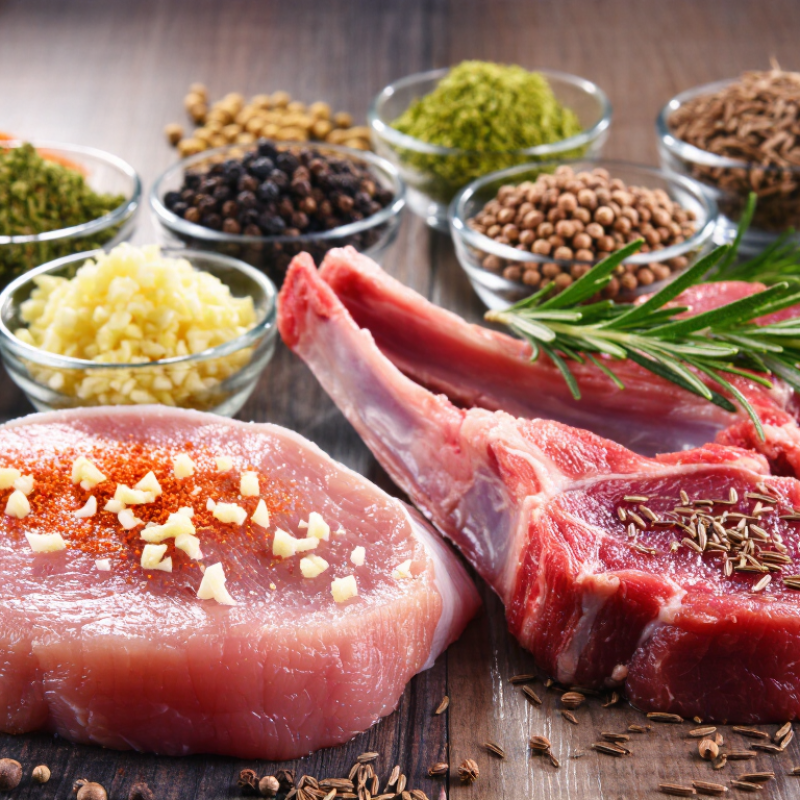
Common Spice Families Used to Season Chops
Chops take well to several familiar spice families, and the best choice depends on the meat and cooking method. Savory herbs such as rosemary, thyme, sage, and oregano bring a woodsy aroma. They suit pork and lamb, especially when seared or grilled. Crush dried leaves between your fingers to release their scent. Fresh herbs can taste brighter, but they may darken over high heat.
Warm spices add depth without needing a complicated blend. Cumin, coriander, fennel, and mustard seed work well with lamb or pork. Toast whole seeds briefly in a dry pan, then grind them for a fuller, rounder flavor. Black pepper adds bite, while paprika or mild chile brings warmth and color. Garlic and onion powders help season the chop evenly, especially when fresh pieces might burn. Keep it simple. I sometimes use too much rosemary; its pine-like flavor can crowd out the meat. A pinch of citrus zest can lift a rich chop, but add it sparingly so the seasoning stays balanced.
Herb-Based Spices for Fresh, Savory Flavor
Herb-based seasonings bring a fresh, savory character to pork, lamb, and vegetable chops. Rosemary and thyme are dependable choices: rosemary adds a pine-like aroma, while thyme tastes gently earthy. Sage suits pork especially well, with a warm, slightly peppery note. Use these herbs with black pepper, minced garlic, and a little salt for a balanced starting point.
Fresh herbs taste bright and grassy; dried herbs are more concentrated and convenient. For a quick marinade, mix chopped parsley, thyme, garlic, olive oil, and lemon zest. Pat the chops dry before seasoning so the surface browns rather than steams. Let them rest briefly after cooking, which helps keep each bite tender. Small details matter.
Match the blend to the meat. Lamb can handle rosemary and oregano, while pork often pairs nicely with sage and parsley. I can overdo rosemary; its strong scent can crowd out subtler flavors. Start with a small pinch, then adjust next time. Taste the herb mixture before it touches raw meat, and keep raw-meat utensils separate from ready-to-eat foods. Fresh, not fussy.
Peppery Spices That Add Heat and Depth
Peppery spices can make a chop taste warmer and more savory without burying the meat. Freshly cracked black pepper is a dependable starting point: its sharp aroma holds up well against a browned pork or lamb crust. Add it before cooking for a mellow, toasted flavor, or just after cooking for a brighter bite. Both work. I still sometimes grind too much, and the pepper can crowd out the meat.
For a deeper blend, pair black pepper with ground coriander and a small pinch of cayenne. Coriander brings a gentle citrus note, while cayenne adds direct heat; it does not create the tingling sensation of Sichuan peppercorns. Those peppercorns have a fragrant, slightly numbing quality, so use them sparingly and crush them just before mixing. Go lightly. Rub the seasoning evenly over dry chops, then let them stand briefly so the surface absorbs some aroma. Salt deserves separate attention: pepper adds character, but it cannot make an under-seasoned chop taste complete. Heat varies between peppercorns and chili powders, too, so taste the blend before applying it generously. A little adjustment is usually better than a fiery surprise.
What Are the Top Types of Chops Spice? — Peppery Spices That Add Heat and Depth
These chili spices bring different levels of heat to pork or lamb chop rubs. The bars show approximate Scoville Heat Unit (SHU) ranges; actual heat varies by pepper variety and preparation. Pair milder ancho or paprika with hotter cayenne or red pepper flakes to balance warmth and flavor.
Warm Spices and Regional Seasoning Blends
Warm spices add depth to chops without necessarily making them hot. Cumin, coriander, allspice, and a little cinnamon can bring earthy, sweet notes to pork or lamb. Use cinnamon lightly; too much can make the meat taste like dessert. Black pepper and paprika add a more familiar savory edge. A small pinch goes a long way.
Regional blends offer different directions. Mediterranean-style seasoning often pairs rosemary, oregano, garlic, and lemon zest, which suits grilled lamb chops. Cumin, coriander, paprika, and a touch of cinnamon create a warmer North African-inspired profile. For a Chinese-inspired flavor, try five-spice with garlic and a modest amount of salt. These are starting points, not strict recipes. There is no single correct ratio, and the best balance depends on the cut and its fat. Rub spices evenly over dry chops, then let them rest briefly before cooking. Smell the mixture before using it. If one spice dominates, adjust it next time; even careful measurements can feel a little off.
Choosing Spices by Chop Type and Cooking Method
A thin pork chop cooks quickly, so use a restrained mix of paprika, black pepper, garlic, and a little brown sugar. The sugar helps form a browned crust, but it can scorch over high heat. Keep the pan at medium heat. For thicker, bone-in chops, add thyme or crushed fennel, then finish gently in the oven. The bone and extra thickness slow cooking, so check the center rather than judging by color. USDA FSIS guidance sets 145°F with a three-minute rest for whole pork cuts; a thermometer is more reliable than guesswork.
Lamb chops suit assertive spices: cumin, coriander, rosemary, and cracked pepper stand up to their rich flavor. Grill or sear them briefly for a smoky edge, and add delicate herbs near the end so they do not burn. Veal chops are milder. Try lemon zest, parsley, and a small amount of sage; pan-searing with butter keeps the seasoning from overwhelming the meat. For any chop, salt ahead when possible, but adjust for thickness and personal taste. I still find that spice blends can turn muddy when too many warm notes compete. Start small. Taste the pan juices, then add more.