Top 10 Unflavored Gelatin Wholesale Suppliers Worldwide
Finding the right partner for Unflavored Gelatin Wholesale takes more than comparing prices. Gelatin can differ in bloom strength, viscosity, particle size, and source, all of which affect how it performs in food, supplements, or other suitable applications. A bag of powder may look ordinary, but its batch documents and consistency matter. Small details matter. This guide introduces ten wholesale suppliers worldwide and the practical questions buyers can ask before requesting samples or quotations. It is a starting point, not a guarantee of product fit.
The suppliers are considered through factors such as product range, stated quality controls, packaging options, export experience, and responsiveness. These details can help narrow a search, but they should be checked directly with each company. Ask for current specifications, certificates relevant to your needs, sample availability, minimum order quantities, and lead times. Compare like with like; a low quoted price may not include the same grade, freight terms, or testing information. One point is easy to miss: supplier websites can be incomplete or outdated. Confirm important claims in writing, and test samples under your own process where practical. The best choice is not always the largest name or the lowest price. It is the supplier whose documentation, communication, and product performance hold up under careful review.
Understanding Unflavored Gelatin and Its Wholesale Market
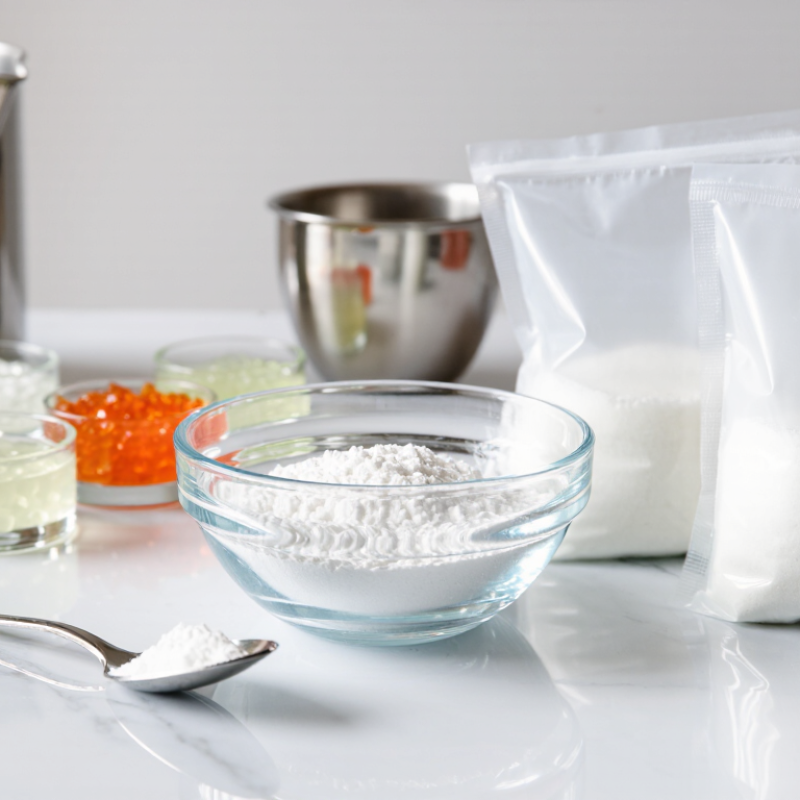
Unflavored gelatin is a protein ingredient made by processing collagen-rich animal tissues. In wholesale trade, “unflavored” describes its neutral taste, not a single standard grade. Buyers compare Bloom strength, particle size, moisture, solubility, and source. Small differences matter. A powder that dissolves slowly can delay production, even when its price looks attractive.
Grand View Research’s 2024 gelatin market report estimated the global market at about US$4.8 billion in 2023, with projected annual growth of 6.6% through 2030. This estimate covers gelatin broadly, not unflavored gelatin alone. That distinction matters when judging demand. For bulk orders, request a current specification sheet and batch-level test results, including Bloom strength and microbiological data. Check whether the supplier can keep those measurements consistent across shipments. A sample stirred into warm water can reveal clumping, but it cannot replace laboratory checks. I would not choose on price alone; freight, storage conditions, and uneven batches can quietly change the real cost. Industry reports help frame the market, but they cannot confirm a particular lot’s quality.
Criteria for Evaluating Worldwide Gelatin Suppliers
Evaluating worldwide unflavored gelatin suppliers starts with the intended use. Food, supplement, and technical applications may require different grades and specifications. Ask for a current technical data sheet showing gel strength, viscosity, moisture, and particle size. These figures help buyers compare products on a like-for-like basis. A sample can reveal practical details that a specification sheet cannot, such as how the powder disperses in a test batch.
Check quality controls before comparing prices. Request relevant certificates, batch traceability details, and clear procedures for handling complaints or product changes. Verify that documents match the material being quoted. Ask about minimum order quantities, lead times, packaging, and storage conditions, too. A low price may mean little if shipments arrive inconsistently. Website claims alone are not proof; it is easy to overlook that. Confirm details directly, and keep written records of agreed specifications.
Tips: Send each supplier the same checklist and sample requirements. Compare written answers, not just sales promises. If a detail is unclear, ask again. That may feel slow, but it can prevent an expensive mismatch.
Profiles of Ten Unflavored Gelatin Wholesale Suppliers
Profiles of Ten Unflavored Gelatin Wholesale Suppliers
These ten profiles describe supplier types buyers may encounter worldwide, rather than endorsements of specific companies. A North American distributor may offer stocked inventory and shorter domestic delivery times. A Western European producer may emphasize batch documentation and consistent specifications. A Central European supplier could serve buyers seeking established food-grade production. A Chinese exporter may provide several grades and flexible order volumes. An Indian supplier may offer competitive bulk pricing, though buyers should confirm lead times carefully.
A Japanese or Korean distributor may focus on fine powders and detailed technical support. A Southeast Asian supplier could be convenient for regional buyers and port-based shipping. An Australian wholesaler may suit customers needing local stock and traceable sourcing. A Middle Eastern distributor might consolidate imported ingredients for regional delivery. A Latin American supplier can reduce cross-border transit for nearby manufacturers. Capabilities vary by facility, and a polished catalogue is not proof of reliable performance.
Tips: Request a current specification sheet, certificate of analysis, sample, and written allergen statement. Compare gel strength, mesh size, moisture limits, packaging, minimum order, and delivery terms. Ask how lot changes are communicated. Small differences matter. I would also test the powder in the intended recipe; paperwork alone cannot predict texture, and that is an easy detail to overlook.
Unflavored Gelatin: Typical Bloom Strength Reference
Bloom strength measures gelatin’s gel firmness in grams. Commercial gelatin commonly spans roughly 50–300 Bloom; the values shown are representative reference points, not specifications for any particular supplier. Available grades and tolerances vary.
Comparing Product Grades, Certifications, and Supply Capacity
Wholesale buyers should compare suppliers by functional grade, not price per kilogram alone. Food-grade gelatin is commonly specified by Bloom strength, viscosity, particle size, and moisture. A 200-Bloom powder may suit gummies, while lower-Bloom grades can work in desserts or dairy products. Test samples in your own recipe; bench results can differ from catalog claims.
Grand View Research and IMARC Group market assessments estimate the 2023 global gelatin market at roughly US$3.5–3.8 billion, with variation due to differences in scope. That scale makes capacity checks practical, not optional. Ask for monthly output, routine lead times, country-of-origin records, and a recent certificate of analysis. Confirm whether quoted volume means finished powder or total gelatin equivalent. Small detail. It affects planning.
Review food-safety systems such as FSSC 22000, ISO 22000, and HACCP, then verify each certificate’s scope and expiry. Halal or kosher documents should match the specific facility and product line. Request animal-source traceability, microbiological limits, and allergen statements. Check that Bloom strength and mesh size remain consistent across lots. One gap remains: a clean audit cannot prove your batch will dissolve well. Run a pilot and record hydration time, clarity, gel set, and packaging condition before approving annual volume.
Key Considerations for Selecting a Wholesale Partner
Choosing a wholesale partner starts with the specification, not the quoted price. Ask for the gelatin’s source, Bloom strength, particle size, moisture range, and microbiological limits. These details affect dissolving time, gel firmness, and performance on a production line. Request a current certificate of analysis and a representative sample. Check that lot numbers link the sample, test report, and delivered cartons. Small details matter.
A capable supplier should explain how specifications are controlled, not merely send a data sheet. Discuss testing frequency, change notifications, storage conditions, and complaint investigations. Ask whether the gelatin performs consistently in your recipe; a lab sample can behave differently after scale-up. That gap is easy to underestimate. Documentation and traceability help, but paperwork alone does not prove careful handling.
Compare minimum order quantities, lead times, and freight arrangements with your monthly demand. Confirm how bags are protected from moisture and damaged seals during transit. Agree on specifications in writing, including acceptable variation between lots. Communication matters too. If replies are vague before an order, resolving a quality concern later may be harder. Where practical, retain a sample from each received lot.