What Are Polyprop Bags and What Are They Used For?
Polyprop Bags are woven polypropylene containers designed for demanding storage, handling, and transport. Their tough plastic strands form a flexible structure that can carry heavy contents without feeling excessively bulky. You may see them stacked in grain warehouses, filled with animal feed, or used for powdered building materials. Their familiar white surface often carries colored printing, stitched seams, and a reinforced opening.
Packaging engineer Dr. S. K. Nair describes their practical value this way: “A reliable bag protects the product while making every movement easier.” That observation matters because performance depends on more than the polypropylene itself. Fabric weight, weave density, lamination, stitching, liner choice, and closure style all affect results. A finely woven bag may limit dust escape, while a laminated surface can improve moisture resistance. However, no Polyprop Bags should be treated as completely waterproof without verified specifications.
Small details matter.
This guide explores what Polyprop Bags are, how they are manufactured, and where they are commonly used. It also considers food, agricultural, industrial, and retail applications with appropriate safety expectations. Product contact requires suitable materials, clean production, and relevant certification. Load limits must be checked before filling, lifting, or stacking. Reuse can be practical, but contamination, abrasion, and weakened seams may be overlooked. That is where assumptions become risky. A bag that looks intact may already have reduced strength. Understanding these limits helps buyers choose responsibly, reduce product loss, and avoid paying for features they may never need.
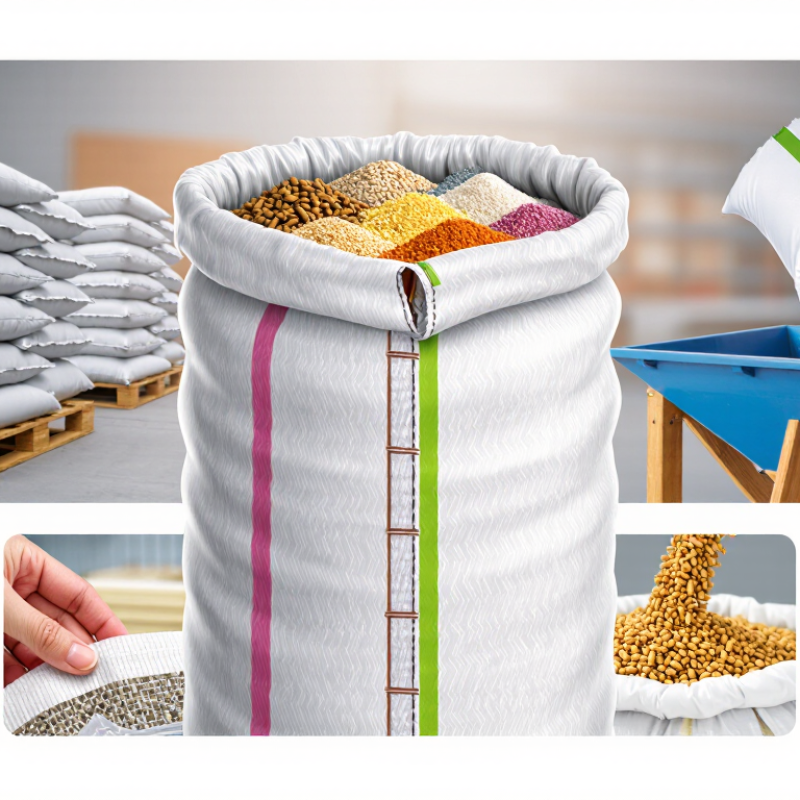
What Are Polypropylene Bags?
Polyprop bags are bags made from polypropylene, a thermoplastic polymer known for low weight and useful tensile strength. Manufacturers produce them as woven sacks, nonwoven bags, or clear flexible pouches. Woven polypropylene bags use crossed plastic tapes, creating a firm fabric that resists tearing during filling and transport. They commonly hold rice, animal feed, seeds, powders, construction materials, and recyclable goods.
Their performance depends on design. Lamination can improve resistance to moisture and dust, while breathable fabric may suit agricultural products that need airflow. However, polypropylene is not waterproof in every format. Seams, openings, and coatings matter. The OECD Global Plastics Outlook reported 353 million tonnes of plastic waste worldwide in 2019, with only 9% recycled. This figure shows why bag selection and end-of-use planning deserve attention. A durable bag may reduce replacement frequency, but durability alone does not guarantee sustainability. That assumption needs review.
Tips: Check the bag’s load rating, seam quality, and intended contents before use. Keep woven bags away from sharp edges and prolonged heat. Ask whether local facilities accept polypropylene, because recycling access varies widely. The Association of Plastic Recyclers identifies polypropylene as a recyclable plastic, but collection systems remain uneven. In practice, clean and dry bags have better recovery potential than contaminated ones. Small details matter.
| Data Dimension | Typical Information | Practical Meaning | Common Applications |
|---|---|---|---|
| Material | Polypropylene, commonly abbreviated as PP, is a thermoplastic polymer made from propylene. | The material can be melted and formed into woven fabric, nonwoven fabric, film, or flexible packaging. | Shopping bags, bulk sacks, produce bags, packaging liners, and reusable storage bags. |
| Bag Structure | Polypropylene bags may be woven from flat tapes, produced as nonwoven sheets, or made from clear or opaque PP film. | Construction affects strength, appearance, breathability, flexibility, and resistance to tearing. | Woven bags for heavy goods; nonwoven bags for shopping; film bags for lightweight packaging. |
| Weight and Strength | Woven PP bags generally provide a high strength-to-weight ratio and can be designed for repeated handling. | They can carry substantial loads without being as heavy as many alternative packaging materials. | Rice, grain, animal feed, fertilizer, soil products, construction materials, and industrial components. |
| Moisture Resistance | Polypropylene is naturally resistant to water absorption, although seams, closures, and woven openings may not be completely waterproof. | The bag can help protect contents from splashes and humid conditions, but it should not automatically be treated as a watertight container. | Outdoor goods, agricultural products, damp-resistant packaging, and household storage. |
| Chemical Resistance | PP has good resistance to many dilute acids, alkalis, and common chemicals, but performance depends on concentration, temperature, and exposure time. | It is useful for selected industrial and agricultural packaging, while chemical compatibility should be checked for specific contents. | Fertilizer packaging, chemical handling bags, laboratory supplies, and industrial materials. |
| Temperature Range | Polypropylene remains useful across ordinary storage and transport conditions. Its melting temperature is typically about 160–170°C (320–338°F). | It should be kept away from direct high heat and open flames because heat can soften, deform, or melt the material. | General packaging, warehouse storage, retail bags, and routine transportation. |
| Breathability | Woven PP fabric can allow some air movement, while laminated or film-coated versions provide greater barrier protection. | Bag construction can be selected to balance ventilation with protection from dust and moisture. | Ventilated agricultural produce bags, grain sacks, and coated bags for fine powders. |
| Reusability | Many woven and nonwoven PP bags are reusable when they remain clean, dry, and structurally intact. | Repeated use may reduce the amount of single-use packaging required, although service life depends on load, handling, and exposure. | Grocery shopping, storage, moving supplies, garden waste, and repeated transport of dry goods. |
| Recycling Identification | Polypropylene is commonly identified by resin identification code 5. | Recycling availability varies by location, collection system, bag design, attached materials, and contamination level. | Clean, separated PP packaging may be accepted through suitable recycling programs. |
| UV Performance | Untreated polypropylene can degrade after prolonged exposure to ultraviolet light. | For outdoor use, UV-stabilized material or additional protective storage may be needed. | Short-term agricultural use, outdoor transport, landscaping materials, and covered storage. |
| Surface Options | Bags may be uncoated, laminated, printed, perforated, or fitted with liners and closures. | Surface treatment changes printability, dust resistance, moisture protection, and ease of filling or emptying. | Retail packaging, food-related dry goods, construction products, and industrial packaging. |
| Typical Closure Methods | Common closures include sewn tops, heat sealing, drawstrings, adhesive flaps, hook-and-loop fasteners, and stitched liners. | The closure should match the required level of containment, tamper resistance, and reusability. | Bulk sacks, shopping bags, storage bags, courier packaging, and agricultural sacks. |
| Food-Contact Consideration | Polypropylene can be used in food packaging when the finished bag is manufactured from suitable food-contact materials and complies with applicable regulations. | Material suitability depends on the complete product, additives, inks, coatings, cleanliness, and local legal requirements. | Packaging for dry foods, grains, flour, snacks, and reusable food-storage applications. |
| Main Advantages | Lightweight, durable, moisture-resistant, chemically resistant in many situations, and available in recyclable resin type 5. | PP bags offer a practical balance between cost, handling strength, and versatility. | Retail, agriculture, food packaging, construction, logistics, and household organization. |
| Main Limitations | They may soften under high heat, degrade under long-term sunlight exposure, and are not automatically accepted in every recycling program. | Correct design, storage, use conditions, and local disposal guidance are important for responsible performance. | Use caution for high-temperature contents, prolonged outdoor exposure, and mixed-material bag designs. |