What Are Grocery Store Price Labels?
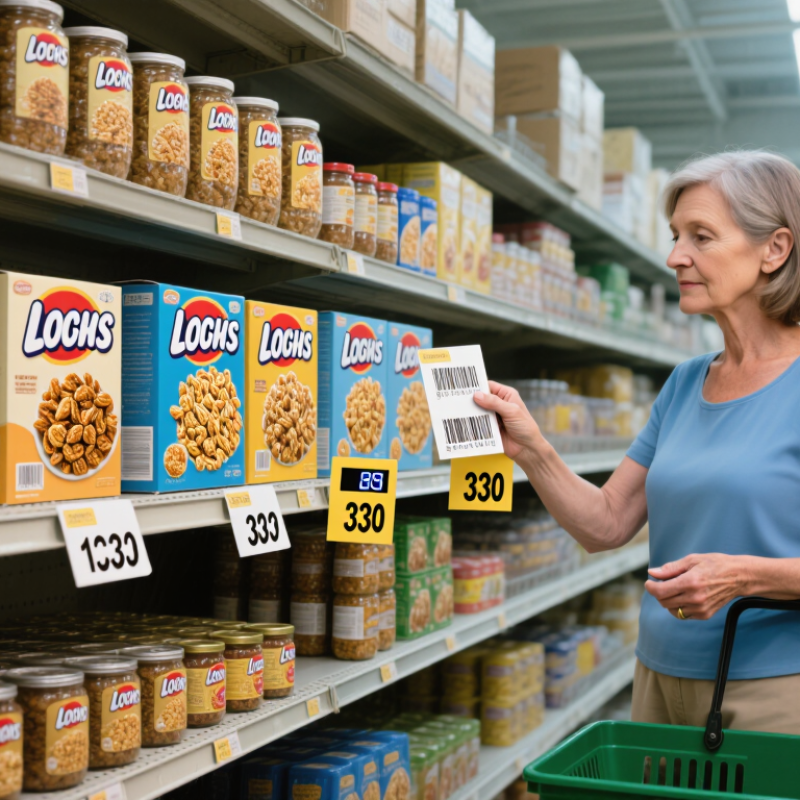
A shopper pauses beneath a row of cereal boxes, comparing prices printed on small shelf-edge cards. Those cards are grocery store price labels: the signs that connect a product on the shelf with its price and key buying details. They may be paper tags, adhesive stickers, or digital displays. Simple, but important.
Retail anthropologist Paco Underhill is widely associated with the phrase, “Retail is detail.” It offers a useful lens for understanding grocery store price labels. A misplaced tag or hard-to-read number can interrupt a quick shopping decision. Clear labels help shoppers compare brands, package sizes, sale prices, and, where shown, unit prices. They also help store staff keep shelves and checkout information aligned. Small signs. Real consequences.
This guide introduces the common types of grocery store price labels, what information they display, and how stores use them in daily operations. It will also explain practical details, such as label placement, readable type, and updating prices when products or promotions change. A label may look obvious to the person who installed it. To a shopper reaching for a jar under uneven aisle lighting, it may not be. That gap deserves attention. Price-label systems can reduce confusion, but they are not flawless; outdated tags, crowded shelves, and unclear comparisons still happen. Understanding how these labels work makes it easier to spot what they communicate—and what they leave unclear.
Definition and Purpose of Grocery Store Price Labels
Grocery store price labels are the signs placed on shelves or attached to display bins. They show the price of an item and often identify its size, flavor, or package quantity. Some also include a unit price, such as the cost per ounce, so shoppers can compare different package sizes. A label connects the product on the shelf with the amount charged at checkout.
These labels help shoppers make quick, informed choices. A clear price can prevent guesswork, while details like weight or count help distinguish similar products. Labels may also show sale prices or the dates a promotion applies. Accuracy matters: a sign can be misplaced, or an old price may remain after a change. That happens. Store teams typically check shelf labels against current product information, but errors can still occur. If a displayed price seems inconsistent, asking staff to verify it is a practical step.
Tips: Check the unit price when package sizes differ. Match the label’s product description to the item in your hand. Look for sale dates, too. Small print is easy to miss, and shelf labels are not always perfectly positioned.
Information Commonly Displayed on Price Labels
What Are Grocery Store Price Labels?
Information Commonly Displayed on Price Labels
A grocery store price label tells shoppers what an item costs and helps compare similar products. It may show the product name, selling price, package size, and unit price, such as dollars per ounce. Some labels also flag a temporary discount or identify a sale period. The Bureau of Labor Statistics’ Consumer Price Index data showed food-at-home prices averaged 1.2% higher in 2024 than in 2023. Small differences matter when budgets are tight.
The unit price is often the clearest comparison tool. A larger package may cost more overall but less per ounce; a shelf label makes that difference easier to spot. Labels can also display a price by weight, which is useful for produce and bulk foods. Check that the unit shown matches across items. It does not always. A shelf tag may lag behind a price update, or a promotion may apply only to certain sizes. If the displayed amount seems inconsistent, ask staff to verify it before checkout.
Tips: Compare unit prices, not just package totals. Check size, weight, and sale dates on the label. Take a quick photo if you want to compare prices later. Keep in mind that shelf labels provide a snapshot, not a guarantee of future prices.
Types of Grocery Store Price Labels
Types of Grocery Store Price Labels
Grocery stores use several kinds of price labels to show costs, discounts, and product details. Shelf-edge labels sit beneath products and usually display the item price, size, and sometimes unit price. They are easy to compare while shopping. A small print line can still be hard to read from a crowded aisle.
Electronic shelf labels show prices on digital screens. Staff can update them without replacing paper cards, though glare or a slow refresh can make a screen difficult to check. Sale tags and promotional signs highlight temporary offers, often with a larger price or savings message. Hanging signs help shoppers spot aisle-wide deals, but they may not identify every product included. Produce stickers and bin cards can also show item names, varieties, or prices.
Tips: Compare the unit price, such as cost per ounce, when package sizes differ. Check that a sale sign matches the exact product and size in your cart. If a label looks unclear, ask a store employee before checkout. Labels are useful, but not perfect; signs can be misplaced, and details may be easy to miss. One quick check helps.
How Stores Create and Update Price Labels
Behind each shelf label is a product record in the store’s pricing system. Staff or centralized systems connect that record to an item code, package size, and current price. The information may also include a unit price, such as cost per ounce, and the dates of a promotion. Small differences matter.
When a price changes, the system sends updated information to the shelf. For paper labels, staff may print replacements and place them beside the matching products. Electronic labels can receive updates remotely, though staff still need to confirm they show the right item and price. Promotions require extra care. An end date can be missed, or a label can land beneath the wrong size.
Stores use checks to catch these errors. Workers may compare shelf labels with handheld scanners or checkout prices during routine walks. Some stores also review items after a price update. No workflow is perfect. A package redesign or crowded shelf can make a mismatch easy to overlook. Clear labels and regular checks help, but shoppers who notice a difference can ask staff to verify the displayed price.
What Are Grocery Store Price Labels?
How stores create and update price labels
Price labels display product pricing and may also include details such as unit price or promotional information. When a price changes, stores update the pricing record and then refresh the shelf label, either by printing a new label or updating an electronic one. The chart shows an illustrative workflow; actual times vary by store and system.
Rules and Standards for Price Labeling
Grocery store price labels need to be clear, accurate, and easy to compare. Rules vary by location, so retailers should check local requirements rather than assume one format fits everywhere. A shelf label typically identifies the product and its selling price. Where required, it may also show a unit price, such as cost per 100 grams or per litre. This helps shoppers compare different package sizes. The figures should match the item and the price charged at checkout. Even a small mismatch can cause confusion.
Labels should remain readable under store lighting and stay close to the correct product. Prices, weights, and promotional terms need enough space to avoid crowding. If a discount has conditions, such as a minimum purchase, those conditions should be stated clearly where applicable. Requirements for taxes, measurement units, and displayed prices differ across jurisdictions. Staff should review label changes when products move or prices update. That step is easy to miss.
Tips: Check labels during shelf restocking. Compare the displayed price with the checkout system. Keep text large enough to read quickly. If a label seems unclear, ask someone to review it; the first version is not always the clearest.