What Is Cosmetic Packaging and What Types Are Available?

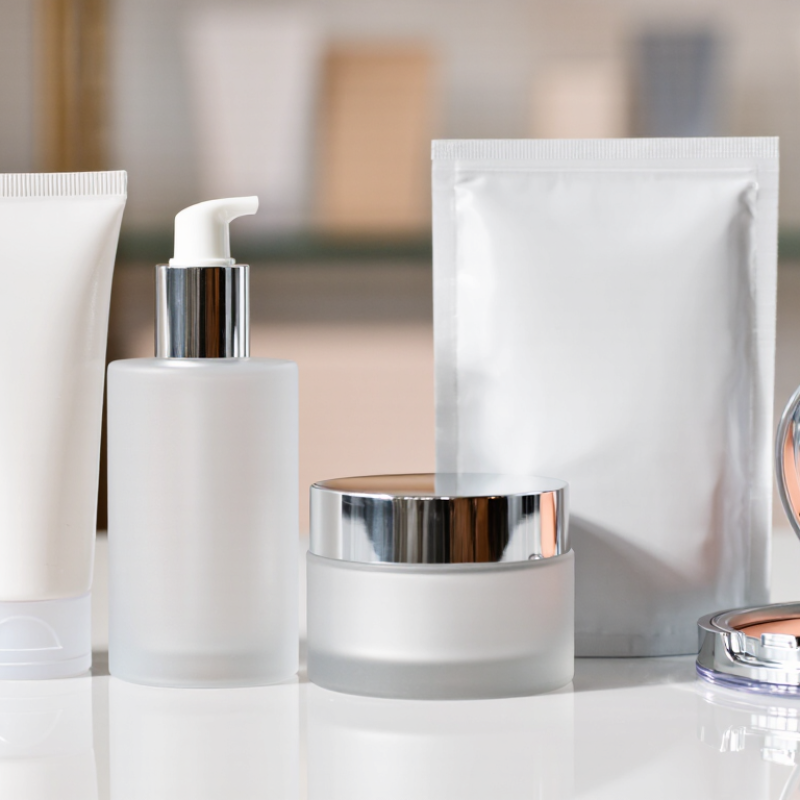
Cosmetic Packaging is more than a bottle, jar, or tube. It protects a formula, supports clean dispensing, and shapes what shoppers notice on a crowded shelf. A frosted glass serum bottle feels different from a lightweight pump. Small design choices matter.

The market is substantial. Grand View Research estimated the global cosmetic packaging market at USD 49.2 billion in 2022, with projected annual growth of 5.5% from 2023 to 2030. This figure signals commercial importance, though market growth alone cannot tell brands which package is best. Product stability, material compatibility, transport weight, and ease of use still need careful evaluation.

Packaging historian Thomas Hine, author of The Total Package, offers a useful perspective: packaging does not merely contain a product; it also communicates meaning. That idea is especially visible in beauty. A refill pouch can suggest practicality, while a heavy glass compact may signal luxury. Neither choice is automatically better.

There are trade-offs. Glass may feel premium but add shipping weight. Pumps can improve dispensing, yet some designs complicate recycling. Even familiar terms such as “sustainable” need scrutiny; material claims depend on real-world collection and processing. There is no perfect package.

This guide explains what Cosmetic Packaging includes and compares common types, from bottles and jars to tubes, compacts, and flexible packs. It also considers materials, functions, and design decisions, so readers can judge options with clearer expectations.
What Is Cosmetic Packaging and What Types Are Available?

Definition and Purpose of Cosmetic Packaging

Cosmetic packaging is the container and outer materials used to hold, protect, and present products such as lotions, powders, and serums. It may include a bottle, jar, tube, pump, cap, label, and carton. Each part has a job. A pump can dispense a measured amount, while a tight cap helps limit spills in a travel bag. Packaging also gives customers practical information, including the product name, ingredients, and directions for use.

Its purpose is not just to look appealing on a shelf. Suitable packaging helps reduce exposure to air, moisture, light, and handling, which can affect some formulas. The right design depends on the product’s texture, use, and storage needs. A thick cream may work well in a jar, though dipping fingers into it can introduce unwanted debris. A liquid formula may need a dispenser that controls flow. Packaging does not replace good formulation or careful storage. There is no perfect format for every product.

Tips: Check that the dispenser works smoothly and closes securely. Look for clear use and storage instructions. If a package is difficult to open or leaves product trapped inside, that is worth noting; convenience matters, too.

Key Functions of Cosmetic Packaging

Cosmetic packaging does more than hold a product. It shields formulas from light, air, moisture, and contamination. A well-fitting cap can prevent leaks in a travel bag, while an opaque pump bottle helps limit exposure to light. These details matter for creams, serums, and other products whose texture or performance may change after repeated exposure. Packaging also controls dispensing. Pumps and narrow openings can make doses more consistent and keep fingers out of the product.

It also communicates practical information. Clear labels show ingredients, directions, and storage advice, while a readable design helps customers identify products on a crowded shelf. Packaging can support accessibility too: easy-grip shapes and pumps may be simpler to use than small screw caps. Appearance matters, but function should come first. A beautiful jar that is difficult to open is still a poor experience.

Waste is another key concern. McKinsey’s 2020 global packaging survey, covering more than 10,000 consumers across 11 countries, found that 60 to 70 percent were willing to pay more for sustainable packaging. That signals interest, not proof that every “eco-friendly” choice performs better. Refill formats may use less material, but only when people actually reuse them. Small packages can also create more packaging per amount of product. The trade-offs deserve a closer look.

Common Materials Used in Cosmetic Packaging

Glass is often chosen for serums and fragrance because it feels substantial and resists many formula interactions. A clear bottle shows the product, while amber glass can help limit light exposure. Glass is heavy and can break, though, so shipping protection matters. Small details count.

Plastic packaging uses materials such as PET, HDPE, and polypropylene. PET is common in clear bottles, while HDPE is often used for sturdier containers. Compatibility depends on the formula, closure, and storage conditions, so suppliers typically test samples before production. A pump may also contain several material types, which can complicate sorting. “Recyclable” does not always mean locally accepted.

Aluminum offers a lightweight, opaque option for tubes and tins. It can protect products from light, but coatings may be needed where the formula touches the metal. Paperboard is widely used for cartons and sleeves, adding print space without replacing the primary container. It can soften or warp when exposed to moisture. Plant-based materials may sound like an easy fix, yet their performance and disposal options vary. It is tempting to choose by appearance alone; testing the filled package over time is less glamorous, but more useful.

Common Materials Used in Cosmetic Packaging

Typical material density (g/cm³)

Glass, aluminum, PET, HDPE, and polypropylene are commonly used in cosmetic packaging. The chart compares representative material densities; actual values vary by grade and formulation.

Types of Cosmetic Packaging by Product Format

Cosmetic packaging is the container and dispensing system that holds a product and helps people use it cleanly. The best format depends on the formula’s texture, how much users need per application, and how the product behaves after opening. Liquid foundation may suit a pump bottle, while a lightweight serum can work in a dropper bottle. Pumps offer measured doses, though thicker formulas can sometimes clog them.

Creams and lotions commonly come in jars, tubes, or pump containers. A jar gives easy access to a dense cream, but fingers can introduce dirt and expose more product to air. A spatula helps, though people may forget to use it.

Tubes are easier to squeeze and carry. Balms and solid cleansers often fit twist-up sticks or compact tins. Fit matters.

Powders need packaging that controls spills and allows careful dispensing. Pressed powder usually sits in a compact, while loose powder often uses a sifter with small openings.

Mists and liquid sprays need a nozzle that produces a consistent pattern without leaking. Packaging materials should also be checked for compatibility with the formula; appearance alone is not enough. Before choosing a format, test how it dispenses, seals, and feels in daily use. Small details matter.

Factors That Influence Cosmetic Packaging Choices

Cosmetic packaging choices begin with the formula, not the shelf. Water-rich lotions may need containers that limit air exposure, while thicker creams often work well in wide-mouth jars. Oils can be sensitive to light, so opaque or tinted materials may help protect their quality. Compatibility testing matters: a formula can affect a pump, liner, or container over time.

How people use a product also shapes the package. A pump can dispense a measured amount with less mess, while a compact tube fits easily into a travel bag. Small details matter. Consider wet hands, limited grip strength, and whether the cap is easy to open. The package should feel practical in an actual bathroom, not only look appealing in a photograph.

Material choice involves trade-offs. Glass feels substantial and can be recycled in some local systems, but it is heavy and breakable during shipping. Lightweight plastics may reduce transport weight, though recycling options vary by material and location. Refill formats can reduce packaging use, but only when refilling is simple and hygienic. Cost, production equipment, labeling space, and shipping conditions matter too. In practice, teams may overlook how a small nozzle clogs with a thicker formula. That is a useful reminder: attractive packaging is not automatically functional. A sample filled with the real product can reveal problems early.

What Is Cosmetic Packaging and What Types Are Available? – Factors That Influence Cosmetic Packaging Choices

Cosmetic packaging includes the containers and materials used to protect, store, dispense, and present products such as skincare, makeup, and hair care. The right format depends on the product’s formula, how it will be used, protection needs, cost, and environmental considerations.

Packaging type Common materials Typical uses Key benefits Important considerations
Bottles Glass, PET, HDPE, or other plastics Cleansers, toners, lotions, shampoos, and oils Available in many sizes and shapes; can be paired with pumps, droppers, or caps Select a material and closure compatible with the formula; glass is heavier and can break, while plastic types vary in recyclability by location
Jars Glass, PP, PET, or acrylic components Creams, balms, masks, and body butters Wide opening makes thick products easy to access and use Repeated finger contact can introduce contamination; consider a spatula, inner seal, or alternative dispensing format
Tubes PE, PP, aluminum, or multilayer structures Hand creams, cleansers, sunscreens, and travel-size products Portable, squeezable, and useful for controlled dispensing Multilayer tubes may be harder to recycle than single-material formats; verify barrier and closure requirements
Airless pumps Typically plastic components, sometimes with glass or metal parts Lotions, serums, and some formulas that benefit from reduced air exposure Dispenses product without a traditional dip tube and can help limit contact with air and fingers Compatibility and dispensing performance should be tested; mixed-material parts can complicate recycling
Droppers Glass or plastic bottles with rubber, silicone, or plastic bulb assemblies Facial oils and low-viscosity serums Allows small amounts to be dispensed with reasonable control Not always suitable for thick products or precise dose measurement; the dropper may contact skin during use
Compacts and palettes Plastic, metal, or combinations of materials Pressed powders, blush, eyeshadow, and solid makeup products Convenient for carrying and can combine product, mirror, and applicator Hinges and mixed materials affect durability and end-of-life sorting; protect fragile pressed products from impact
Cartons and secondary packaging Paperboard or corrugated board Outer packaging for bottles, jars, palettes, and gift sets Provides space for instructions, required product information, and added protection during shipping Avoid unnecessary layers; coatings, laminates, and attached components may affect recyclability

Factors That Influence Cosmetic Packaging Choices

Factor Why it matters Practical selection question
Formula properties Viscosity, ingredients, and sensitivity to light or air affect material compatibility and dispensing. Will the packaging maintain product quality throughout its expected shelf life?
Protection and hygiene The container should protect the product from leakage, contamination, and relevant environmental exposure. Does the closure provide a reliable seal, and is the dispensing method appropriate for how the product is used?
User experience Opening, handling, portability, and dose control influence convenience and accessibility. Can users open, dispense, and store the product easily?
Cost and production Material, tooling, filling equipment, order quantities, and transport all affect total cost and feasibility. Can the package be produced, filled, and shipped efficiently at the required scale?
Environmental impact Material quantity, recycled content, reuse potential, and local recycling infrastructure affect end-of-life outcomes. Can the package be reduced, reused, or recycled in the markets where it will be sold?
Labeling and regulations Packaging needs to provide suitable space for required product information and comply with applicable local rules. Is there enough legible space for the information required in each sales region?
Shipping and durability Weight, breakage risk, leakage resistance, and package dimensions influence transit protection and distribution costs. Will the product withstand expected handling and transport conditions?

Packaging suitability should be confirmed through compatibility, stability, dispensing, and transport testing. Recycling options vary by material and local collection systems.

Find Mitten in Michigan

Request Mitten Near You

Have a favorite dispensary that doesn't carry Mitten Extracts yet? Let us know, and we'll work to make sure our premium products are available where you shop.