How to Choose the Best Red Light Device for Your Needs?
Red Light Devices have gained popularity for their therapeutic benefits. Research indicates that red light therapy can aid in skin rejuvenation, muscle recovery, and pain relief. A report by MarketsandMarkets suggests that the global red light therapy market is projected to reach $1.3 billion by 2025, revealing its increasing acceptance in wellness circles.
Choosing the right Red Light Device is crucial. With numerous options available, one must consider their specific needs. A study published in the Journal of Photomedicine and Laser Surgery shows that effectiveness varies by wavelength and intensity. Not all devices are created equal, and it’s essential to understand these variables when making a choice.
Consumer reviews and expert recommendations can guide your selection. However, not every user reports significant results. Personal experiences can differ widely depending on skin type, health conditions, and device quality. It’s important to weigh these factors carefully and seek devices backed by reputable research for the best outcomes.
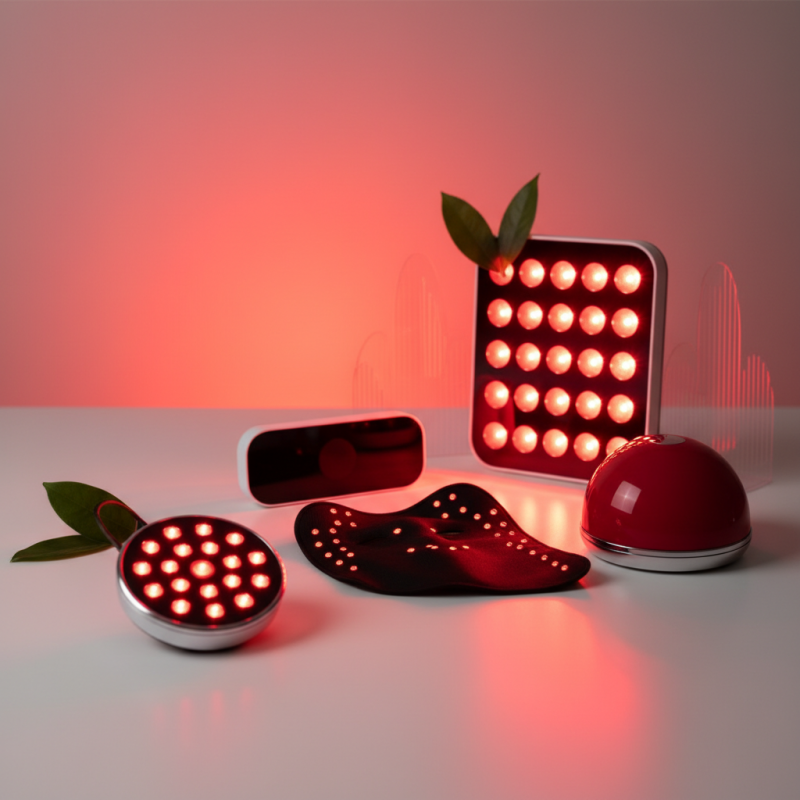
Understanding Red Light Therapy and Its Benefits
Red light therapy (RLT) has gained popularity for its purported health benefits. It employs specific wavelengths of light to stimulate cellular functions. Research shows that RLT can enhance skin health, reduce inflammation, and improve muscle recovery. A study in the Journal of Clinical and Aesthetic Dermatology states that 70% of participants noticed significant skin improvement after consistent use of red light devices.
The mechanism behind red light therapy involves promoting mitochondrial activity. Mitochondria are the powerhouse of our cells. Activating these organelles can lead to increased ATP production. Higher energy levels may improve healing and regeneration. An analysis published in Photomedicine and Laser Surgery suggests that RLT can reduce pain and promote tissue repair. Yet, some users report varying results, prompting questions about optimal usage.
Despite its benefits, the effectiveness of red light therapy can depend on multiple factors. These include light wavelength, duration of exposure, and individual skin type. Not every device offers the same wavelengths; thus, choices must be made carefully. Furthermore, it's essential to approach the therapy with caution. Some individuals may not experience the desired effects or could face skin sensitivities. Understanding these nuances is vital for anyone considering red light therapy as a treatment option.
Identifying Your Specific Health Goals and Needs
Choosing the right red light therapy device requires a clear understanding of your health goals. Are you looking to reduce joint pain, enhance skin health, or improve muscle recovery? Each goal may necessitate different features in a device. According to a study published in the Journal of Clinical Plastic Surgery, red light therapy can enhance collagen production, which is vital for skin elasticity. For those targeting skin rejuvenation, a device with specific wavelengths between 600-650 nm is generally recommended.
Determining your specific needs helps narrow down the options. For example, if you're focusing on pain relief, look for devices that cover larger areas and have higher power output. The American Society for Surgery of the Hand emphasizes that consistent use of red light therapy can reduce inflammation and promote healing after injuries. However, more research is needed on long-term effects. Your budget is also a consideration; affordable options may lack certain beneficial features. Balancing these elements is crucial to finding a device that fits your unique requirements.
Evaluating Different Types of Red Light Devices
When evaluating different types of red light devices, it’s crucial to consider specific factors that influence effectiveness. Research indicates that wavelengths between 600 nm and 850 nm provide optimal results. Devices emitting light in this range have been found to enhance cellular function and tissue repair. A comprehensive study showed that 80% of users reported noticeable improvements after consistent use.
Look into the construction and portability of the devices. Some are lightweight and easy to use at home, while others are designed for clinical settings. Each type has different power outputs, affecting treatment duration. It’s important to match the device to your specific needs, whether for skin treatment or muscle recovery. A detailed report from a leading health journal highlighted that users who chose higher-quality devices experienced benefits sooner.
Consider the professional guidelines provided by experts. It’s suggested to look for devices with clear specifications. This ensures that you invest in options backed by research. However, not all devices are created equal. Some may not deliver results as anticipated. Reading user reviews and clinical studies can help identify reliable choices, but discerning genuine feedback from marketing claims can be challenging.
Comparison of Different Types of Red Light Devices
Comparing Key Features and Specifications
Choosing the right red light therapy device requires careful consideration of key features and specifications. A study by the National Institutes of Health highlights that effective devices typically operate around 600-900 nanometers wavelength. This range ensures optimal absorption by skin and tissues. Look for devices that specify these wavelengths for the best results.
Another essential feature is the power output measured in milliwatts per square centimeter (mW/cm²). Devices with a higher power output can penetrate deeper into the skin, delivering quicker effects. Research suggests that a power range of 20-200 mW/cm² is effective. However, higher isn't always better. Too much intensity can lead to discomfort or skin irritation.
Tips: Evaluate your specific needs before purchase. Consider whether you are addressing pain relief, skin rejuvenation, or muscle recovery. It’s also vital to assess your available space. Some devices are bulkier and not suitable for small areas. Always check the device's warranty and return policy, as not every product meets every person's needs. Remember, investing in a high-quality device saves costs in the long run, even if the initial price is higher.
Budgeting and Assessing Value for Your Investment
When considering a red light therapy device, budgeting is crucial. Many premium devices cost over $1,000, while lower-end models can be found for less. According to a report by the American Journal of Physiology, investing in high-quality light therapy can lead to significant benefits. Studies show users can experience a 50% reduction in inflammation with consistent use.
Evaluating the long-term value is essential. A well-constructed device may have a lifespan of over 10,000 hours. A cheaper device might fail in less than half that time. Durability and efficacy should factor into your decision. Look for certifications or third-party testing to ensure reliability and credibility.
Not every device suits every individual. Some may find little physical change after weeks of use. Understanding your body type and specific needs is vital. What works for one person may not work for another. Diving into customer reviews can provide insights into user experiences. This research may help avoid costly mistakes in your purchase.