What Is the Best Tornado Toilet for 2026?
Choosing the best Tornado Toilet for 2026 means looking beyond a dramatic flush. The right model should clear the bowl evenly, use water efficiently, and fit the room without awkward gaps around the base. TOTO’s product engineering team describes Tornado Flush as a system that uses centrifugal water movement to rinse the bowl. In practical terms, the swirl matters—but so do the trapway, seat height, rough-in, and ease of cleaning.
Look closely. A showroom flush can sound impressive, yet daily comfort depends on details you notice at home: a quiet refill valve at night, a seat that feels stable, and a bowl that stays clean around its rim. One useful reminder from TOTO’s engineering approach is: “The rinse should reach around the bowl.” That is a practical design aim, not a promise that every model performs identically in every bathroom.
This guide compares leading Tornado Toilet options by flushing performance, water use, comfort, installation needs, and long-term value. It also separates manufacturer claims from features buyers can verify in specifications and reviews. Small caveat: household water pressure, plumbing condition, and personal preference can change the experience. No single model suits every home. The best choice is the one that cleans reliably, fits your existing setup, and feels comfortable after ordinary daily use.
What Defines a Tornado Toilet and How Does Its Flush System Work?
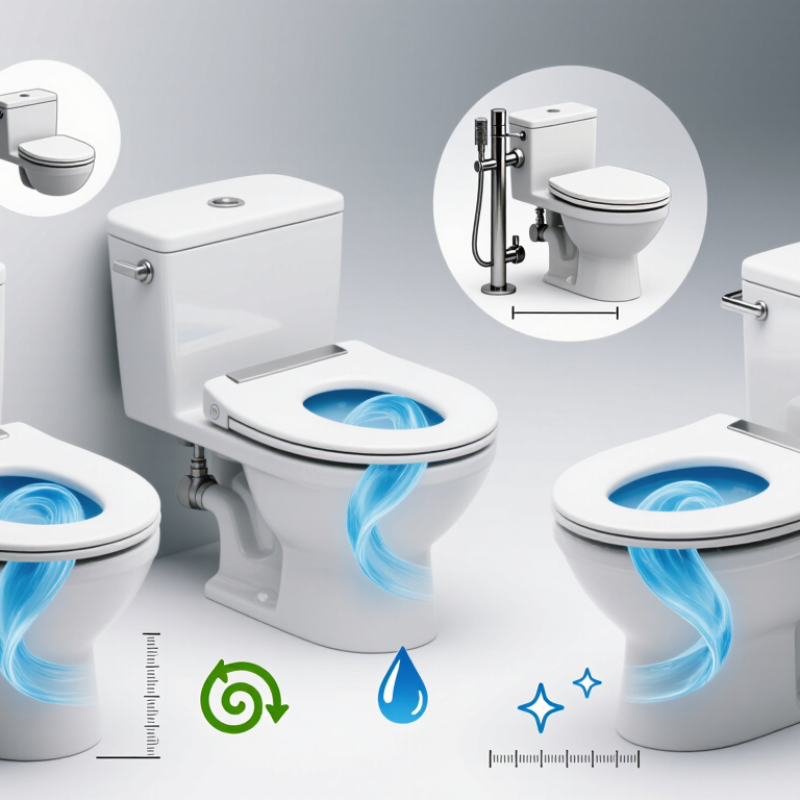
A tornado toilet uses a swirling flush to move water around the bowl. The name describes a flushing style, not one universal engineering standard. Many designs direct water through two angled outlets near the rim. These streams circle the bowl, rinse its surface, and guide waste toward the trapway. The flow may look dramatic. The useful work happens below the waterline.
In many gravity-fed models, the moving water helps create siphon action in the trapway, carrying waste into the drain. Flush performance also depends on water pressure, bowl shape, trapway design, and correct installation. A swirl alone does not guarantee a cleaner bowl. Some toilets offer different flush volumes, but controls and water use vary by model. Listen for an even rush and check whether water reaches the full bowl during a normal flush. A weak or uneven flow may point to a setup issue, not a flaw in the flushing concept. The terminology can sound more precise than it is, so compare the actual bowl-rinsing pattern and flush specifications rather than relying on the label.
Which Performance Features Matter Most in a 2026 Tornado Toilet?
For a 2026 tornado toilet, prioritize measured flush performance over a dramatic bowl swirl. A visible vortex may rinse the sides, but it cannot prove reliable waste removal. Check independent MaP (Maximum Performance) test results, which report solid-waste removal in grams. Higher scores offer useful evidence, though household paper and installation conditions still matter. A test score cannot prevent every clog.
Water use is another hard number. The U.S. EPA WaterSense specification limits effective flush volume to 1.28 gallons per flush, about 20% below the federal 1.6-gallon standard. That matters daily. Compare flush performance at that volume instead of choosing low water use alone. Look for a thorough bowl rinse and an accessible, glazed trapway. A brief showroom demonstration tells you little about repeated daily use.
Noise and maintenance count, too. Listen for refill noise in a small bathroom, and check whether replacement tank parts are easy to find. Measure the rough-in, seat height, and bowl projection before ordering. Tight spaces expose bad choices fast. A forceful swirl may still disappoint if residue remains or the button needs repeated pressure. I would weigh independent test data first, then consider quieter operation and easier servicing. Not glamorous, perhaps—but useful.
How Do Leading Tornado Toilet Models Compare?
Tornado toilets differ in more than the shape of their swirling flush. Some models use two side jets to sweep the bowl, while others add a rim wash or adjustable flush settings. Compare independent flush tests where available, rather than relying on claims about powerful cleaning. A clean-looking bowl matters, but so do water use and refill noise. Small details count.
Bowl shape affects comfort and fit. Round bowls can suit compact bathrooms; elongated bowls usually offer more seating room but need extra space. Check the rough-in measurement, seat height, and supply-line location before choosing. One model may flush well yet be awkward to install or harder to service. That trade-off is easy to miss. Also check replacement-part availability and warranty terms, since these can affect long-term ownership.
Tips: Put a few sheets of toilet paper in the bowl and test the flush in a showroom if possible. Ask how the unit performs with ordinary waste, not just a clean-water demonstration. If noise matters, listen during both flushing and tank refilling. Compare the full specification sheet; advertised water savings do not tell the whole story.
What Room, Plumbing, and Installation Factors Affect Your Choice?
The best tornado toilet for 2026 depends on the room as much as the flushing system. Measure the space from the finished wall to the drain center, then check the toilet’s rough-in dimensions. A compact bowl may suit a narrow bathroom, while an elongated bowl needs more front clearance. Also consider door swings, vanity corners, and comfort height. Small details matter.
Tips: Measure twice, including baseboards and nearby fixtures. Check the product’s water-pressure requirements and confirm your home can meet them. A powerful swirl cannot fix poor fit.
Plumbing can change the choice. Older drains, unusual rough-ins, or limited water pressure may affect performance and installation cost. Check the supply line, shutoff valve, and drain condition before ordering. Some models need different fittings, so ask a qualified installer to review the setup. Local plumbing requirements may also apply. A quiet, efficient flush sounds ideal, but performance depends on the actual installation. It is easy to focus on flush design and overlook access for future repairs. Leave enough room to reach the shutoff valve, even if the finished layout feels slightly less seamless.
What Is the Best Tornado Toilet for 2026? – What Room, Plumbing, and Installation Factors Affect Your Choice?
| Factor | What to Check | Practical Guidance | Often a Better Fit For |
|---|---|---|---|
| Flush design and performance | Confirm the toilet’s flush mechanism, independent test results, and applicable efficiency certification. “Tornado” describes a swirling flush approach, not a single standardized performance rating. | Compare tested waste-removal performance and bowl-cleaning results rather than relying on the flush name alone. In the United States, WaterSense-labeled toilets use no more than 1.28 gallons per flush and meet performance criteria. | Households seeking lower water use without choosing a toilet on flush style alone. |
| Room size and bowl shape | Measure available depth, width, door swing, and space around the toilet. Compare the product’s overall dimensions, not just the bowl. | Round-front bowls are generally shorter front-to-back; elongated bowls usually need more room. Check local code: common U.S. plumbing-code provisions require at least 15 inches from the toilet centerline to a side wall or obstruction and 21 inches of clear space in front, but requirements vary by jurisdiction. | Compact rooms: a round-front design may help. Larger rooms: an elongated bowl may offer more sitting space. |
| Rough-in measurement | Measure from the finished wall to the center of the floor drain or closet bolts, following the toilet maker’s measuring instructions. Do not measure from the baseboard alone. | A 12-inch rough-in is common in many U.S. homes, but 10-inch and 14-inch configurations also exist. Match the toilet specification to the actual measurement before purchase. | Any replacement installation, especially in an older home or a room with limited clearance behind the tank. |
| Drain and existing plumbing | Check the drain location, flange condition, waste-line size, and whether the toilet is floor-mounted or wall-hung. | A typical floor-mounted toilet connects through a floor flange; damaged, loose, or poorly positioned flanges may need repair. Confirm the new toilet’s outlet and installation requirements with its documentation and local plumbing rules. | Straight replacements: a toilet compatible with the existing floor outlet usually avoids extra plumbing work. |
| Water supply and flush system | Locate the shutoff valve and confirm the supply connection, operating requirements, and any electrical needs listed for the model. | Conventional gravity-flush toilets generally do not require a powered connection. Some advanced toilets need an electrical outlet; pressure-assisted systems have different installation and maintenance requirements. Follow the manufacturer’s stated supply conditions. | Homes without a nearby outlet: a compatible non-powered model can simplify installation. |
| Seat height and accessibility | Check the listed seat height, including the seat, and consider who will use the toilet. | Standard-height and taller “comfort-height” products are both available. For U.S. accessible installations covered by ADA standards, the required toilet-seat height is 17–19 inches above the finished floor; other layout and clearance rules also apply. | Users who find standing or sitting difficult may prefer a taller seat, provided it suits all household members and applicable requirements. |
| Cleaning and maintenance | Review bowl shape, rim access, surface-care instructions, and availability of replacement parts. | A rimless or streamlined bowl may make some areas easier to reach, but cleaning effort still depends on the full design and household use. Use only cleaning products approved for the toilet’s materials and components. | Busy households: prioritize accessible cleaning areas and clearly documented care and repair information. |
| Installation scope and total cost | Include the toilet, seat if not included, supply line, sealing materials, delivery, labor, and any electrical or plumbing modifications. | A like-for-like floor-mounted replacement is usually simpler than changing rough-in, relocating a drain, repairing a flange, or adding an outlet. Follow the installation instructions and local code; use a qualified plumber when the work exceeds your skills. | Budget-conscious projects: match existing plumbing and compare the installed cost, not just the toilet’s purchase price. |
Best choice: select a toilet whose tested flushing performance, dimensions, rough-in, and installation requirements fit the room and plumbing. Verify measurements and local code before ordering.
How Can You Match a Tornado Toilet to Your Budget and Needs?
A “tornado” flush usually describes a swirling wash around the bowl, but the label alone does not guarantee strong performance. Match the toilet to your bathroom first: check the rough-in, seat height, bowl shape, and available clearance. Measure twice. A low-cost model can become expensive if the fit requires extra plumbing work.
For water use, the U.S. EPA’s WaterSense Residential Toilets guidance offers a useful benchmark. Certified toilets use 1.28 gallons per flush or less, at least 20% below the federal 1.6-gallon standard. The EPA estimates that an average family replacing old, inefficient toilets with WaterSense models can save nearly 13,000 gallons of water and about $140 each year. Actual savings vary with household use and local water rates.
Set your budget around the full purchase, not just the sticker price. Include installation, a new supply line, and possible floor or flange repairs. If the bathroom serves children or older adults, prioritize a comfortable seat height and an easy-to-clean bowl. Ask for independent flush-performance results and warranty details; a dramatic swirl is not proof of better waste removal. I would not pay extra for appearance alone. It is easy to overlook how much the everyday details matter.
What Is the Best Tornado Toilet for 2026?
Match a swirl-style toilet to your budget and needs by comparing its price, flush performance, and water use. The chart shows estimated annual water use for two common flush-volume benchmarks.
How to read it: Estimates assume one person flushes five times per day for 365 days. The 1.6 gallons-per-flush figure is the federal maximum benchmark for toilets; WaterSense-labeled toilets use 1.28 gallons per flush or less. Actual use varies by household. Check independent performance information and installation costs alongside the toilet’s price—swirl-style flushing alone does not guarantee better performance.