What Are the Best Mailer Bags for Shipping in 2026?

Choosing the best Mailer Bags for shipping in 2026 starts with the item, not the trend. A soft cotton shirt needs different protection from a book with sharp corners or a small device that must stay cushioned. Look closely at material strength, closure quality, water resistance, and the weight added to each parcel. A bag that feels sturdy in your hand may still split at a sealed edge. Test a sample. Then test another.

Packaging specialist Jordan Lee offers this practical line for the guide: “The right mailer protects the product without adding more material than the shipment needs.” This is an editorially drafted quote, not a verified published statement. The advice is simple, but choosing well can be less so. Recycled content, recyclable construction, and attractive printing matter, yet none should distract from fit and protection. A mailer that is too large can waste space; one that is too tight can strain its seams. Small details count.

This guide compares common Mailer Bags by use, durability, cost, and sustainability claims. It also considers how real parcels behave: corners press outward, rain catches exposed surfaces, and adhesive strips sometimes disappoint. There is no single best option for every business. That is worth admitting. The aim is a practical shortlist, not a perfect answer: choose a bag that suits your product, shipping routine, and customers—and verify its performance before ordering in bulk.
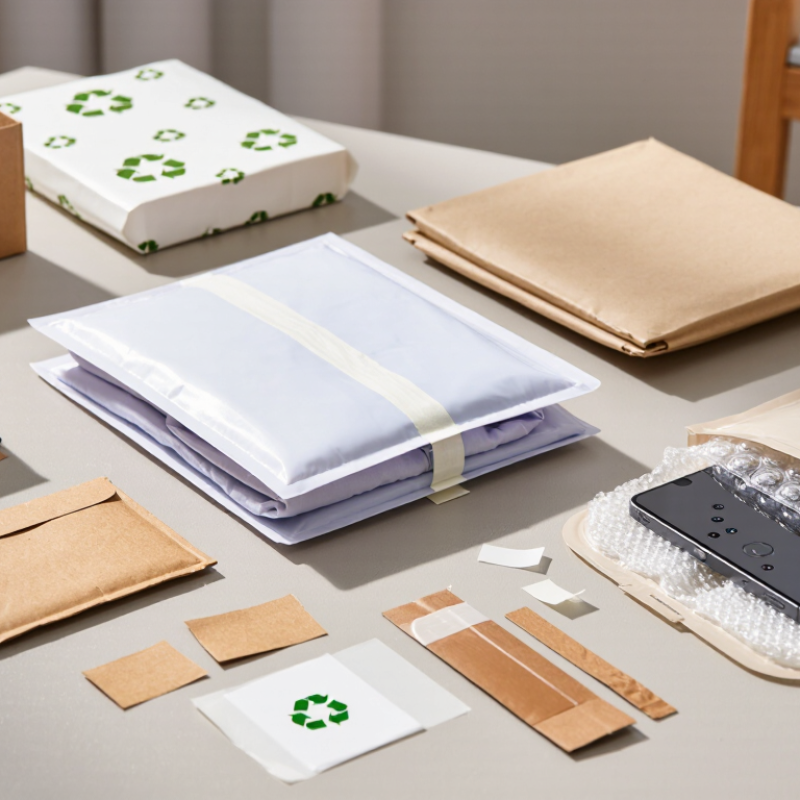
What Are the Best Mailer Bags for Shipping in 2026?

What Mailer Bags Are and How They Protect Shipments

Mailer bags are flexible shipping envelopes made from plastic film, paper, or layered materials. Most have a peel-and-seal strip, and some include a padded lining. Their light weight can reduce package bulk, while an opaque exterior helps keep contents out of casual view. They can resist splashes and scuffs, but protection varies by construction. A thin poly mailer may suit a folded T-shirt; it is not a substitute for a rigid box around glass. Not magic. For items that bend or dent easily, add a suitable insert or choose a sturdier outer package.

A snug fit matters: excess space lets items shift, while an overfilled seam may split during handling. Check the closure by pressing across the full adhesive strip, then gently tugging the flap. Still, packaging choices are easy to get wrong. Measure the product with any protective wrap included, and test a sample shipment when contents are valuable or oddly shaped. The bag should match the item, route, and handling risk—not simply look convenient.

Common Mailer Bag Materials and Their Key Differences

Common Mailer Bag Materials and Their Key Differences

Polyethylene mailers are lightweight, flexible, and resistant to rain and splashes. Their smooth surface also helps labels stay readable during transit. They suit clothing and other items that do not need rigid protection. But a thin bag can tear on sharp corners, so check the item’s shape and weight before choosing a gauge. Paper mailers feel sturdy and are easy to write on. They can work well for flat, non-fragile goods, though moisture may weaken them.

Tips: Press the packed item gently. If edges poke through, add padding or choose a stronger bag. Test a sample through your packing routine; the easiest material to handle may not be the best fit for every order.

Recycled-content plastic mailers can reduce reliance on newly made plastic, but the amount of recycled material and the bag’s strength vary. Paper with a padded lining offers more cushioning, yet it takes up more space and may cost more to ship. Compostable films are another option, but disposal conditions matter; the label alone does not ensure they break down in every setting. Compare material claims, seams, and closure strength, then try a small batch before switching.

What Are the Best Mailer Bags for Shipping in 2026? Common Mailer Bag Materials and Their Key Differences

Mailer Bag Material Moisture Protection Cushioning Typical Strength Recycling or Disposal Best Suited For Main Trade-Off
Virgin polyethylene (PE) High; the plastic film resists rain and splashes. Low; does not protect fragile items from impact by itself. Good tear and puncture resistance when the film is appropriately sized and thick. Some carrier-bag and film drop-off programs accept clean, dry PE film; acceptance varies by location. Usually not accepted in curbside recycling. Clothing, soft goods, and other non-fragile items. Lightweight and water-resistant, but offers little impact protection and is fossil-fuel based.
Recycled-content polyethylene (PE) High when made as a continuous plastic film. Low; separate protective padding may be needed. Varies with recycled content, film design, and quality controls; test for the intended load and route. Disposal options are generally similar to other PE films and depend on local collection programs. Non-fragile products where recycled content is a packaging priority. Can support recycled-material goals, but performance and appearance may vary by formulation.
Co-extruded polyethylene (multi-layer PE) High; multiple film layers can provide a durable moisture barrier. Low to moderate, depending on construction; it is not a substitute for a padded mailer. Often designed for improved puncture and tear resistance compared with a basic thin film. Multi-layer construction may complicate recycling; check the bag’s material labeling and local film-collection rules. Heavier soft goods or shipments that need extra film durability. Durable and water-resistant, but multi-layer formats may be harder to recycle.
Kraft paper Low unless specially treated; paper can weaken when wet. Low; provides no substantial cushioning. Good for light, flat items when the paper weight and seams suit the shipment. Often recyclable with paper when clean and free of incompatible coatings or attached materials; local rules apply. Documents, cards, and flat, non-fragile items. Paper-based and easy to label, but less suitable for wet conditions or sharp-edged contents.
Padded paper mailer Low to moderate; performance depends on the outer paper and any coating. Moderate for light knocks; protection varies by padding design and contents. Suitable for many small, moderately robust products when properly sealed. Some designs can be recycled as paper, while others require separating components; follow package instructions and local guidance. Books, small accessories, and items needing light cushioning. Offers cushioning in a paper-based format, but can be bulkier and may not protect fragile items sufficiently.
Bubble-lined polyethylene mailer High; the outer plastic film resists moisture. Moderate; bubble lining helps cushion minor impacts but is not equivalent to a rigid box. Good for small items when the mailer fits closely and the seal is secure. Plastic-and-bubble layers may need to be separated for recycling; collection options vary by area. Small, lightweight products that need some cushioning and moisture protection. Combines a moisture barrier with padding, but mixed construction can make recycling less straightforward.
Compostable or bio-based film Varies by material and product design; confirm the supplier’s specifications for the shipment conditions. Usually low unless the mailer includes a separate padded layer. Varies; verify seal, tear, and puncture performance with real-world shipment testing. Compostability depends on recognized certification and access to suitable composting facilities. These bags generally should not go in plastic-film recycling. Non-fragile goods when disposal instructions and local composting access are clearly understood. May use renewable or compostable inputs, but does not necessarily break down in home compost or the natural environment.

Selection tip: Match the mailer to the item’s weight, shape, fragility, and exposure to moisture. For fragile products, use an appropriately sized box or add protective packaging; no soft mailer material alone guarantees protection from rough handling.

How to Choose a Mailer Bag for Package Size and Contents

Choosing a mailer bag starts with the item’s packed dimensions, not its size on a shelf. Measure its length, width, and thickness after folding or wrapping. Then compare those measurements with the bag’s usable interior space. Allow room to slide the item in without forcing the seams. This is easy to misjudge: soft clothing can puff up once folded. Fit matters.

Match the bag to the contents. Lightweight, flexible items may suit a simple poly mailer, while paper-based options can work for goods that tolerate less moisture protection. For items with sharp corners or delicate surfaces, add suitable cushioning or choose a sturdier package. A mailer is not a substitute for impact protection. Check the closure, too; a narrow flap can be awkward when the bag is full.

Consider weight and shape together. A bulky item may strain a thin mailer even when it is light. Check the bag’s stated capacity, and avoid stretching it to make an oversized item fit. Test one packed sample before choosing a size for repeated shipments. Look for bulging, exposed corners, or a closure that lifts. There is no perfect shortcut. Recheck your choice when the product or packing method changes.

Comparing Mailer Bags for Different Shipping Needs

The best mailer bag depends on what travels inside it, how far it goes, and how it will be handled. Lightweight clothing usually fits well in a flexible polyethylene mailer. It resists rain and keeps parcel weight low. For books, cosmetics, or small items with sharp edges, a padded mailer offers extra cushioning. Still, padding cannot replace a snug fit: excess space lets contents shift and press against the seams.

Paper mailers suit flat, lightweight goods and are easy to label. Some include a padded lining, but check whether the materials can be separated for local recycling. Compostable options also need scrutiny; disposal conditions vary, so the label alone does not guarantee they belong in a home compost bin. A useful test is simple: pack one sample, seal it, and check how it handles a short drop and a damp surface. A bag can look sturdy on a desk and split at a corner.

Sizing matters more than it seems. Choose a mailer that leaves enough room to close securely without folding the product, but avoid a loose fit. For heavier or fragile shipments, a small box may protect better than any mailer. There is no perfect all-purpose choice, and comparing price alone can miss damage, returns, and packing time. I would still test a few sizes before placing a large order.

Best Mailer Bags for Shipping in 2026: Compare by Need

Ratings are practical, qualitative comparisons on a 1–5 scale, based on typical material properties—not laboratory test results. Poly mailers are lightweight and water-resistant; paper mailers are easier to recycle where local programs accept them; padded formats add cushioning. Check local recycling rules, and choose packaging suited to the item and route.

How Sustainability and Shipping Trends Shape Choices in 2026

In 2026, a good mailer must protect an item throughout its actual delivery journey. Consider damage risk, parcel size, and the routes customers use. An oversized bag wastes space, while a thin one can split at a sharp corner. Small details matter.

Sustainability claims need practical scrutiny. Recycled-content plastic can reduce reliance on virgin material, but local recovery options vary. Paper mailers may suit soft goods, yet moisture and rough handling can weaken them. Check material details, seal strength, and disposal guidance instead of trusting a green label alone. Some packages will still need extra protection. I would not treat one material as universally best.

Shipping trends also reward right-sizing and lighter packaging, since dimensions can affect transport efficiency and billed weight. A durable mailer with a resealable return path may help avoid another discarded package. But reuse is not automatic; customers need clear instructions. It is easy to overlook. Test candidate bags with the actual product, then inspect the seams after handling and a realistic drop test.

Article Source:

Find Mitten in Michigan

Request Mitten Near You

Have a favorite dispensary that doesn't carry Mitten Extracts yet? Let us know, and we'll work to make sure our premium products are available where you shop.