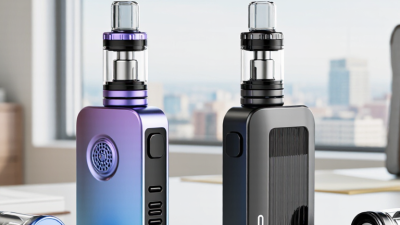
2026 Best Nicotine Vape Compliance Guide for Global Buyers

Nicotine Vapes require careful compliance checks before buyers approve a product, shipment, or supplier. Requirements differ across markets and can change quickly. The World Health Organization’s 2023 global tobacco epidemic report found that at least 121 countries had adopted measures regulating e-cigarettes, while 34 prohibited their sale. That variation matters. A product accepted in one market may not meet another market’s rules.

This guide focuses on practical checks: product classification, ingredient and nicotine documentation, laboratory reports, packaging, labeling, age controls, and shipment records. Buyers should compare each item with current requirements from the relevant national regulator, not rely on a supplier’s general assurances. Verify that test reports identify the exact product and batch. Check that labels match the tested formulation. Keep dated records of approvals and supplier communications. Small mismatches can stall a shipment.

Reliable decisions need evidence. Request traceable documents, confirm who issued them, and ask when testing took place. WHO’s report provides useful global context, but it does not replace country-specific rules or professional legal advice. A checklist can still miss something. That is worth admitting. Regulations and technical standards may evolve, and documents can become outdated. The sections ahead offer a structured starting point for global buyers, not a guarantee of market access. Verify requirements with qualified compliance specialists and official authorities before purchasing or importing any product.
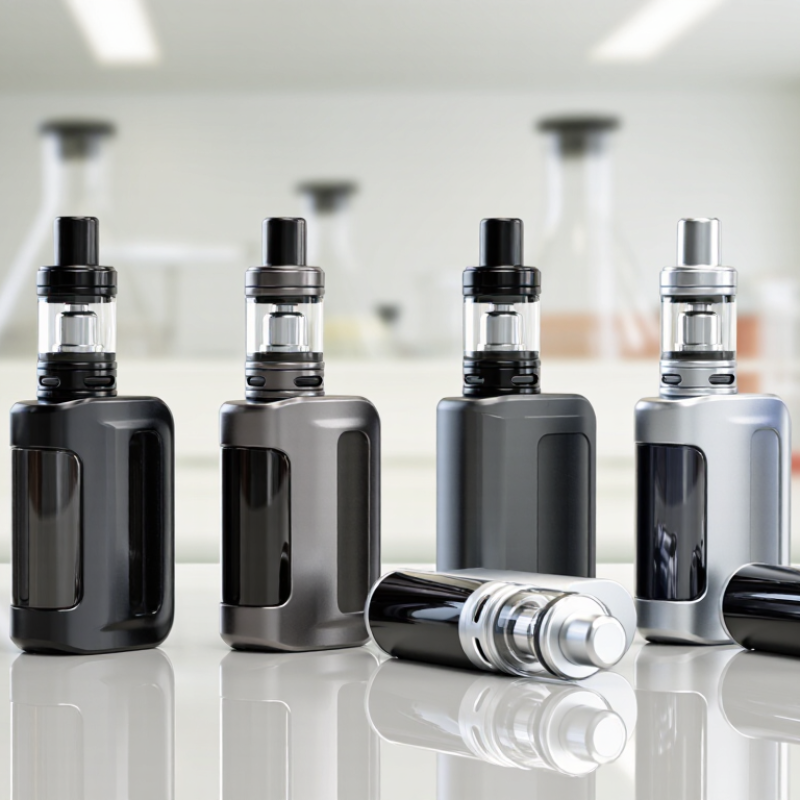
2026 Best Nicotine Vape Compliance Guide for Global Buyers

Defining Nicotine Vape Products and Their Regulatory Categories

A nicotine vape is a battery-powered product that heats a liquid containing nicotine to create an inhalable aerosol. The term can cover several formats: a reusable device with a refill container, a device with replaceable pods, or a prefilled, single-use unit where permitted. These formats are not interchangeable in regulatory reviews. Details matter.

Classification may depend on more than the device’s shape. Authorities can consider nicotine concentration, liquid ingredients, container size, labeling, intended users, and how the product is presented. A bottle of refill liquid may be assessed differently from a sealed device containing the same liquid. Even small packaging changes can affect the applicable category. Rules vary by destination.

For global purchasing, identify the product’s exact configuration before checking market requirements. Record whether it is refillable or prefilled, the stated nicotine strength, and the full ingredient and packaging information. Then confirm the category with current guidance from the relevant official authority or qualified compliance professionals. Keep technical documents and label versions aligned with each shipment. It can feel overly detailed, but assumptions about category are a common source of avoidable confusion. These products should be supplied only to adults in markets where they are permitted.

Mapping 2026 Rules Across Target Markets

For global buyers, 2026 compliance starts with a market map, not a supplier checklist. A product accepted in one country may require different authorization, nicotine limits, or packaging elsewhere. Check each destination’s official regulator before pricing or arranging shipment. Rules may change during the year.

Use a separate row for every target market. Record permitted product categories, concentration limits, ingredient and emissions testing, package sizes, warning text, local-language requirements, age-verification duties, taxes, and importer responsibilities. Small details matter. A warning label that fits one package may be unreadable on another. Keep dated copies of official guidance and product test reports, then have a qualified local compliance professional review the market-specific requirements. Even a careful spreadsheet can miss a late amendment; that gap deserves regular attention. Recheck requirements before each order, especially when a product’s formulation, packaging, or destination changes.

Checking Ingredients, Devices, and Manufacturing Standards

Ingredient review should start with a complete bill of materials, including nicotine source, solvents, flavoring substances, and potential contaminants. Request batch-specific certificates of analysis, not a generic supplier sheet. Check assay results against declared concentrations, plus screening for residual solvents, metals, and microbial contamination where relevant. Keep the records. A clear liquid proves little; traceability from incoming drums to filled pods matters. Test device heating behavior under normal conditions, and inspect leakage, electrical protection, and battery documentation. Small details matter.

Manufacturing audits should examine calibration logs, cleaning records, rejected batches, and corrective actions. Ask whether battery tests align with relevant IEC safety standards, and whether laboratory results come from an ISO/IEC 17025-accredited facility. Requirements differ by market, so review local ingredient disclosures, labeling, packaging, and age-access rules before shipment. CDC’s 2024 National Youth Tobacco Survey counted 1.63 million current U.S. student users, down from 2.13 million in 2023. That surveillance data reinforces the need for robust age-access controls. A certificate alone is not proof of consistent production; sample finished units and compare their batch codes with test reports. Some audits still rely too heavily on paperwork. That deserves scrutiny.

Preparing Labels, Packaging, and Compliance Documents

For global buyers, a compliant label is not a universal template with a translated warning added later. Check each destination’s current rules for required warnings, language, ingredient disclosures, age restrictions, and placement. The WHO’s 2023 global tobacco report counted 121 countries with at least one measure regulating e-cigarettes, underscoring how varied requirements can be. Small details matter. A warning may need a specific size or position, while a package accepted in one market may need revision for another. Confirm requirements with official local authorities before approving print files.

Keep packaging and records aligned. Match the product description, nicotine concentration, net quantity, batch code, and warning text across the label, outer carton, and shipment documents, where required. Store dated artwork, translation approvals, supplier declarations, product specifications, and applicable test reports in one controlled file. Keep evidence close. A spreadsheet can look complete and still hide a mismatch between a final label and an older specification. I have seen document sets become difficult to review when teams save several “final” versions without clear dates. Use version numbers, approval dates, and a named reviewer; then recheck the file whenever a product or destination changes.

2026 Nicotine Vape Compliance Guide: Market Limits

Maximum nicotine concentration in selected markets (mg/mL)

The EU Tobacco Products Directive, UK regulations, and Canadian regulations set a 20 mg/mL maximum nicotine concentration for covered vaping products. These examples are not a universal global standard: confirm current national and subnational requirements before preparing product labels, packaging, or compliance documents. Sources: EU Directive 2014/40/EU, Article 20, UK Tobacco and Related Products Regulations 2016, Canada Nicotine Concentration in Vaping Products Regulations.

Managing Import, Tax, Age-Verification, and Post-Market Duties

Import, tax, age-verification, and post-market duties vary by destination, so confirm each market before shipping. The WHO’s 2023 Global Tobacco Epidemic report found that 34 countries prohibited e-cigarette sales, 88 had no minimum purchase age, and 74 had no specific regulation. Treat these figures as a warning, not a current legal checklist. Rules change, and a spreadsheet can miss a new labeling requirement. For each shipment, verify product classification, customs codes, origin documents, excise, and VAT or GST with local authorities or a qualified broker. Keep records.

Age controls should work at checkout and delivery, not just on paper. Use reliable age checks, restrict access to promotional content where required, and document how staff handle failed verification. Collect only necessary personal data and protect it. A clear process helps, but it can still fail when delivery checks are inconsistent.

Post-market duties continue after customs clearance. Keep batch-level records, complaint logs, and a practical recall plan; assign someone to review safety reports and meet local notification deadlines. The European Commission’s 2023 Special Eurobarometer on tobacco and related products reported that 3% of respondents used e-cigarettes at least occasionally, illustrating why post-sale monitoring matters beyond shipment volume. Review the rules regularly, and pause distribution when requirements are unclear. That gap matters.

Find Mitten in Michigan

Request Mitten Near You

Have a favorite dispensary that doesn't carry Mitten Extracts yet? Let us know, and we'll work to make sure our premium products are available where you shop.